Sleep apnea is a common but frequently undiagnosed sleep disorder that affects breathing during sleep. It is characterized by repeated pauses in breathing or shallow breathing that disrupt normal sleep cycles and reduce oxygen levels in the body.
Many people with sleep apnea are unaware of the condition because breathing disturbances occur during sleep. Over time, untreated sleep apnea can lead to chronic fatigue, cardiovascular disease, metabolic imbalance, and reduced quality of life.
This guide takes a solution-oriented approach to sleep apnea, focusing on understanding the condition, recognizing early signs, and adopting lifestyle, nutritional, and supportive strategies to reduce long-term health risks.
What Is Sleep Apnea?
Sleep apnea is a sleep-related breathing disorder in which airflow stops or decreases repeatedly during sleep.
- Breathing pauses last from a few seconds to over a minute
- Oxygen levels drop repeatedly through the night
- The brain briefly wakes the body to resume breathing
- Sleep becomes fragmented and non-restorative
These interruptions may occur dozens or even hundreds of times per night.
Types of Sleep Apnea
There are three main forms of sleep apnea.
- Obstructive Sleep Apnea (OSA): Caused by airway collapse or blockage during sleep
- Central Sleep Apnea: Caused by disrupted signals from the brain to breathing muscles
- Complex Sleep Apnea: A combination of obstructive and central patterns
Obstructive sleep apnea is the most common form.
How Sleep Apnea Affects the Body
Repeated breathing interruptions place stress on multiple body systems.
- Chronic oxygen deprivation
- Repeated stress hormone release
- Increased inflammation
- Disrupted sleep architecture
Over time, this affects energy, metabolism, heart health, and cognitive function.
Common Signs & Symptoms
Symptoms may vary in severity.
- Loud, chronic snoring
- Pauses in breathing witnessed by others
- Gasping or choking during sleep
- Unrefreshing sleep
- Morning headaches
- Daytime sleepiness and fatigue
- Poor concentration and memory
- Irritability or low mood
Risk Factors for Sleep Apnea
Several factors increase the likelihood of sleep apnea.
- Excess body weight
- Large neck circumference
- Smoking or alcohol use
- Nasal congestion or airway abnormalities
- Family history
- Hormonal changes, especially in menopause
Sleep Quality, Oxygen & Fatigue
Even when sleep duration seems adequate, sleep apnea prevents deep, restorative sleep.
- Frequent micro-awakenings disrupt sleep cycles
- Low oxygen increases morning fatigue
- Daytime sleepiness impairs performance
This explains why many individuals feel exhausted despite long sleep hours.
Heart, Metabolic & Brain Health Risks
Untreated sleep apnea increases long-term health risks.
- High blood pressure
- Heart disease and irregular heart rhythm
- Stroke risk
- Insulin resistance and type 2 diabetes
- Memory problems and reduced focus
Early treatment significantly reduces these risks.
Diagnosis & Sleep Studies Explained
Sleep apnea is diagnosed using sleep monitoring.
- Overnight sleep studies assess breathing and oxygen levels
- Home-based testing may be used in some cases
- Severity is measured by frequency of breathing pauses
Diagnosis allows personalized treatment planning.
Lifestyle Changes That Improve Sleep Apnea
Lifestyle interventions are a foundation of sleep apnea management.
- Weight management reduces airway collapse
- Sleeping on the side improves airflow
- Avoiding alcohol before bed reduces airway relaxation
- Regular sleep timing improves breathing rhythm
Sample Supportive Diet Plan
Morning: Warm water, light movement
Breakfast: Protein-rich meal with whole grains
Lunch: Balanced meal with vegetables and lean protein
Evening: Light snack if needed
Dinner: Early, light meal to reduce nighttime airway pressure
Habits & Foods That Worsen Sleep Apnea
- Heavy meals late at night
- Alcohol before bedtime
- Excess sugar and refined carbohydrates
- Smoking
- Irregular sleep schedules
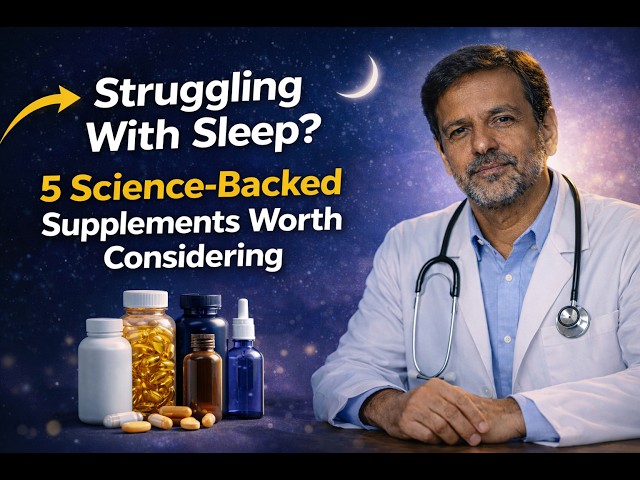
Supplements That May Support Sleep Quality
Supplements do not treat sleep apnea directly but may support sleep quality.
- Magnesium for muscle relaxation
- Vitamin D if deficient
- Omega-3 fats for inflammation control
Yoga for Breathing & Airway Support
Yoga supports posture, breathing mechanics, and relaxation.
- Chest-opening postures improve airflow
- Neck and throat relaxation reduces tension
- Gentle evening practices support sleep
Pranayam for Respiratory & Nervous System Balance
Pranayam improves breathing efficiency and nervous system regulation.
Slow breathing practices support oxygen balance and reduce stress-related breathing disruption.
Prevention, Early Action & Long-Term Management
Early recognition prevents complications.
- Do not ignore chronic snoring
- Address fatigue and daytime sleepiness early
- Support weight, sleep, and metabolic health
- Follow medical guidance for devices or therapy when prescribed
- Monitor long-term health markers
Frequently Asked Questions
Is snoring always a sign of sleep apnea?
No, but loud, chronic snoring with fatigue should be evaluated.
Can sleep apnea be cured?
It can often be significantly improved or controlled with treatment and lifestyle changes.
Does sleep apnea only affect overweight people?
No. It can affect individuals of any body type.
Is sleep apnea dangerous if untreated?
Yes. Untreated sleep apnea increases cardiovascular and metabolic risk.
Final Thoughts
Sleep apnea is a serious but manageable condition. With early diagnosis, lifestyle changes, and appropriate treatment, breathing during sleep can improve dramatically, restoring energy, protecting the heart, and enhancing overall quality of life.
Healthy sleep is not a luxury—it is a cornerstone of long-term health.
⚠️ Important Disclaimer
This content is for educational purposes only and does not replace professional medical advice. Always consult a qualified healthcare provider for diagnosis and treatment of sleep apnea or related sleep disorders.