Muscle loss is not only an issue of aging or inactivity — it often reflects deeper nutritional, hormonal, metabolic, or inflammatory imbalance. Loss of muscle strength and mass can occur quietly and progressively, affecting mobility, metabolism, immunity, and overall vitality.
At InnateHeal, muscle loss is approached through root-cause identification, nutrient restoration, nervous system support, and lifestyle correction rather than exercise alone.
Understanding Muscle Loss Beyond Weakness
Muscle loss may present in subtle ways long before visible wasting occurs:
- Reduced strength despite regular activity
- Early fatigue during routine tasks
- Loss of muscle tone or firmness
- Slower recovery after exertion or illness
These signs often indicate impaired protein synthesis, nutrient deficiency, hormonal imbalance, or chronic inflammation.
Nutritional Foundations for Muscle Preservation
Muscle tissue is highly nutrient-dependent and breaks down quickly when supply is inadequate.
Key Nutritional Deficiencies Linked to Muscle Loss
- Protein Deficiency: muscle breakdown, poor repair, weakness
- Vitamin D Deficiency: reduced muscle strength and coordination
- Magnesium Deficiency: muscle fatigue, cramps, poor recovery
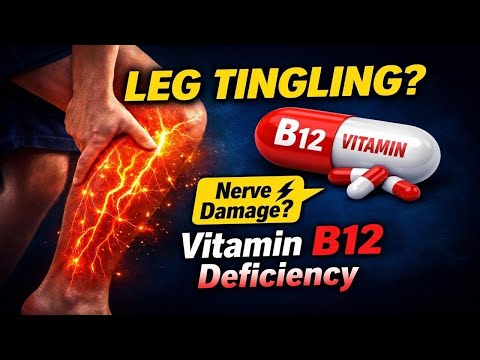
- Vitamin B12 Deficiency: nerve-related weakness and atrophy
- Iron Deficiency: reduced endurance and oxygen delivery
Correcting these deficiencies is essential to halt muscle breakdown and support rebuilding.
Nervous System & Muscle Activation
Muscle strength depends on healthy nerve signaling.
- Impaired nerve activation reducing muscle use
- Chronic stress increasing muscle catabolism
- Poor sleep disrupting muscle repair signals
- Neuromuscular fatigue lowering performance
Without nervous system support, muscle recovery remains limited.
Gut Health & Nutrient Absorption
Even adequate intake cannot prevent muscle loss if absorption is compromised.
- Poor protein digestion
- Malabsorption of minerals and B-vitamins
- Chronic gut inflammation
- Appetite loss after illness or stress
Restoring digestion improves nutrient delivery to muscle tissue.
Hormonal & Metabolic Drivers of Muscle Loss
Hormones regulate muscle building and preservation.
- Low testosterone or estrogen imbalance
- Elevated cortisol increasing muscle breakdown
- Insulin resistance impairing muscle protein synthesis
- Thyroid imbalance reducing metabolic support
Hormonal balance is essential for maintaining lean muscle mass.
Lifestyle Factors Affecting Muscle Health
- Sedentary routines or prolonged bed rest
- Overtraining without recovery
- Chronic illness or post-viral states
- Inadequate sleep and rest
- Low daily movement
Muscle responds best to consistent, balanced stimulation and recovery.
Mind–Body Impact on Muscle Preservation
- Stress-driven muscle tension and breakdown
- Loss of motivation reducing activity
- Fear of movement after illness or pain
- Mental fatigue limiting recovery
Confidence, calm, and gradual re-engagement support muscle rebuilding.
What Accelerates Muscle Loss
- Skipping meals or low-protein diets
- Chronic inflammation or untreated illness
- Excess alcohol or smoking
- Prolonged inactivity
- Ignoring early weakness signs
When to Seek Professional Support
Evaluation is important if:
- Muscle loss is rapid or unexplained
- Weakness interferes with daily activities
- There is significant weight or strength loss
- Muscle loss follows illness, surgery, or aging rapidly
Final Thoughts
Muscle loss is not inevitable — it is often a signal of unmet nutritional, hormonal, or recovery needs.
With early correction, targeted nourishment, and supportive lifestyle changes, muscle strength and function can often be preserved and gradually rebuilt.