

Frequent infections, prolonged colds, slow wound healing, and repeated hospitalizations are common concerns among older adults. Many seniors accept declining immunity as an unavoidable part of aging, assuming that the body simply becomes defenseless over time.
While it is true that immune function changes with age, severe or frequent immune weakness is not inevitable. In most cases, it reflects specific nutritional deficiencies that quietly impair immune cell production, communication, and response.
This article focuses on three foundational nutrients—zinc, vitamin D, and vitamin C—that play critical roles in immune strength. Correcting deficiencies in these nutrients can dramatically improve resistance to infections and speed recovery in seniors.
How Aging Weakens the Immune System
The gradual decline in immune efficiency with age is known as immunosenescence. It affects both innate immunity (the first line of defense) and adaptive immunity (long-term immune memory).
Key changes include:
- Reduced production of new immune cells
- Slower response to infections
- Increased chronic inflammation
- Weaker antibody production
- Reduced vaccine effectiveness
Nutritional adequacy becomes increasingly important as the immune system loses resilience.
When Low Immunity Is Not Just Aging
Occasional infections may occur with age, but repeated or severe illness often signals a deeper issue.
Warning signs include:
- Frequent respiratory or urinary infections
- Illness lasting longer than expected
- Poor response to antibiotics
- Slow wound healing
- Unexplained fatigue after infections
These patterns commonly point to zinc, vitamin D, or vitamin C deficiency.
Zinc: The Master Mineral for Immune Cells
Zinc is essential for the development and activation of immune cells, including T cells, natural killer cells, and macrophages.
In seniors, zinc deficiency is widespread due to reduced intake, poor absorption, and medication interactions.
Low zinc leads to:
- Reduced immune cell production
- Impaired wound healing
- Loss of taste and appetite
- Increased susceptibility to infections
Even mild zinc deficiency can significantly weaken immune defenses.
Vitamin D: Immune Regulation and Infection Control
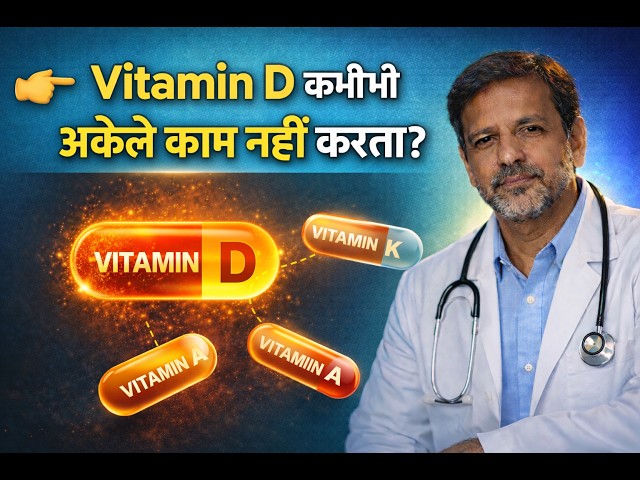
Vitamin D acts as an immune system regulator rather than a simple stimulant. It helps immune cells recognize threats while preventing excessive inflammation.
Seniors are at high risk of deficiency due to reduced skin synthesis, limited sunlight exposure, and dietary insufficiency.
Low vitamin D is associated with:
- Frequent respiratory infections
- Severe infections
- Weaker vaccine response
- Increased inflammation
Vitamin C: Frontline Defense and Recovery Support
Vitamin C supports immune defense by enhancing white blood cell function, strengthening physical barriers, and acting as a powerful antioxidant.
In older adults, low vitamin C intake is common due to reduced fruit and vegetable consumption.
Deficiency leads to:
- Delayed recovery from infections
- Increased oxidative stress
- Easy bruising
- Weakened resistance to illness
Why Zinc, Vitamin D, and Vitamin C Work Best Together
These nutrients support different layers of immune defense. Zinc enables immune cell production, vitamin D regulates immune response, and vitamin C protects cells during infection.
Addressing only one deficiency often yields partial results, while correcting all three creates a robust and balanced immune response.
💡 Key Insight
Combining zinc, vitamin D, and vitamin C creates a synergistic effect that addresses multiple aspects of immune function simultaneously.
Signs of Weak Immunity in Seniors
- Frequent colds or flu
- Slow recovery from illness
- Recurring infections
- Chronic fatigue
- Poor wound healing
Major Risk Factors That Lower Immunity After 60
Risk Factors
- Low protein intake
- Limited sun exposure
- Chronic illnesses
- Long-term medication use
- Poor appetite
Immune-Supportive Diet for Older Adults
An immune-strengthening diet emphasizes:
Nutritional Priorities
- Protein-rich foods
- Colorful fruits and vegetables
- Nuts, seeds, and whole grains
- Adequate hydration
Smart Supplementation: Forms, Dosages, and Timing
Supplementation Guidelines
- Zinc: Best taken with food to avoid stomach upset
- Vitamin D: Taken daily, often with a fat-containing meal
- Vitamin C: Divided doses improve absorption
Supplementation should be tailored to individual needs and monitored when used long-term.
How Soon Immunity Improves
Immunity and Common Age-Related Conditions
Chronic diseases such as diabetes, heart disease, and arthritis increase immune demands, making nutrient sufficiency even more critical.
Post-Illness Immune Rebuilding
After illness or hospitalization, immune nutrients are rapidly depleted. Focused nutritional support during recovery reduces relapse risk.
30-Day Immune Strengthening Plan
Long-Term Immune Protection Strategies
Ongoing Support
- Routine nutrient monitoring
- Regular physical activity
- Adequate sleep
- Stress management
Frequently Asked Questions
Is weak immunity inevitable with age?
No. While immune efficiency changes, severe immune weakness often reflects nutritional deficiencies.
Can supplements replace a healthy diet?
No. Supplements support but do not replace balanced, nutrient-rich meals.
Is vitamin D safe for seniors?
When used appropriately and monitored, vitamin D is generally safe and beneficial.
How long should immune supplements be taken?
Duration depends on individual needs and should be reassessed periodically.
Final Thoughts
Weak immunity in seniors is not simply an unavoidable consequence of aging. In many cases, it reflects correctable deficiencies in zinc, vitamin D, and vitamin C.
By restoring these foundational nutrients and supporting overall nutrition, seniors can significantly improve resistance to infections, recover faster, and maintain better quality of life.
⚠️ Important Disclaimer
This article is for educational purposes only and does not constitute medical advice. Always consult a qualified healthcare professional before starting supplements or making health-related changes.









