

Introduction
Cardiovascular disease remains the leading cause of mortality worldwide, often progressing silently for decades before manifesting as heart attack, stroke, or sudden cardiac death. While cholesterol and blood pressure receive much attention, nutritional deficiencies—particularly vitamin D deficiency—are increasingly recognized as major contributors to cardiovascular risk.
Vitamin D functions as a hormone that influences blood vessels, heart muscle cells, immune balance, and metabolic regulation. Low levels are consistently associated with higher rates of hypertension, atherosclerosis, heart failure, and overall cardiovascular mortality.
This article explores how vitamin D reduces cardiovascular mortality risk by acting on multiple biological pathways and how restoring optimal levels can support long-term heart health when combined with diet, yoga, and pranayama.
Understanding Cardiovascular Mortality Risk
Cardiovascular mortality refers to death caused by heart and blood vessel conditions such as heart attack, stroke, heart failure, and fatal arrhythmias.
Risk increases due to:
- Chronic inflammation
- High blood pressure
- Insulin resistance and diabetes
- Endothelial dysfunction
- Electrical instability of the heart
What Is Vitamin D?
Vitamin D is a fat-soluble, hormone-like nutrient produced in the skin through sunlight exposure and obtained in smaller amounts from food.
Vitamin D receptors are present throughout the cardiovascular system, including heart muscle cells, blood vessels, and immune cells—highlighting its direct role in heart health.
Widespread Vitamin D Deficiency and Heart Disease
Vitamin D deficiency is extremely common due to limited sun exposure, indoor lifestyles, aging skin, and poor dietary intake.
Low vitamin D levels are consistently associated with:
- Higher rates of hypertension
- Increased arterial stiffness
- Greater plaque formation
- Higher cardiovascular mortality rates
Vitamin D and Vascular Endothelial Health
The endothelium lines blood vessels and regulates blood flow, clotting, and inflammation.
Vitamin D supports endothelial nitric oxide production, improving vessel relaxation, circulation, and resistance to plaque formation—key factors in reducing fatal cardiovascular events.
Blood Pressure Regulation and Arterial Tone
High blood pressure significantly increases mortality risk.
Vitamin D helps regulate the renin–angiotensin system, preventing excessive vasoconstriction and sodium retention. This supports healthier blood pressure levels and reduces strain on the heart.
Inflammation, Immunity, and Atherosclerosis
Chronic inflammation drives plaque instability and cardiovascular events.
Vitamin D modulates immune activity, reducing pro-inflammatory cytokines and stabilizing plaques, which lowers the likelihood of rupture and fatal outcomes.
Effects on Lipids, Insulin Resistance, and Metabolism
Metabolic dysfunction accelerates cardiovascular disease.
Vitamin D improves insulin sensitivity, supports healthier lipid metabolism, and reduces glycation damage to blood vessels—important factors in long-term survival.
Vitamin D and Heart Muscle Function
Vitamin D receptors in heart muscle cells influence contraction strength and energy efficiency.
Adequate vitamin D supports myocardial performance, reduces remodeling, and lowers the risk of progression to heart failure.
Reducing Arrhythmia and Sudden Cardiac Risk
Electrical instability is a major cause of sudden cardiac death.
Vitamin D supports calcium handling and autonomic balance, reducing susceptibility to dangerous arrhythmias and sudden cardiac events.
Who Benefits Most from Vitamin D Optimization
- Individuals with hypertension or heart disease
- Older adults
- People with limited sun exposure
- Those with diabetes or metabolic syndrome
- Individuals with chronic inflammation
Forms, Dosage & Best Timing
Vitamin D supplementation should be individualized.
Supplementation Guidelines
- Vitamin D3 (cholecalciferol) preferred
- Typical dose: 1,000–4,000 IU daily
- Take with meals containing fat
- Periodic blood testing is recommended
Key Nutrient and Lifestyle Synergies
Supporting Nutrients and Practices
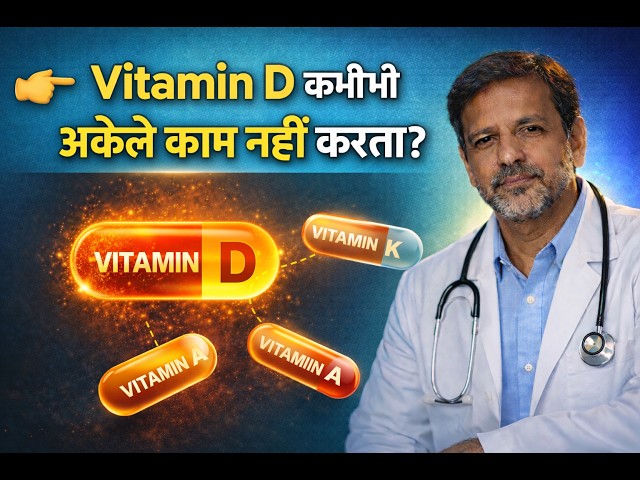
- Vitamin K2 for calcium balance
- Magnesium for vascular and electrical stability
- Omega-3 fatty acids for inflammation control
- Regular physical activity
- Consistent sleep patterns
Diet Plan to Support Cardiovascular Longevity
Diet amplifies vitamin D's protective effects.
Cardiovascular-Supportive Diet Recommendations
- Include fatty fish, eggs, and fortified foods
- Increase vegetables, fruits, and fiber
- Reduce ultra-processed and high-sugar foods
- Maintain adequate protein intake
Yoga Practices to Support Heart Health
Recommended Yoga Postures
- Surya Namaskar at a moderate pace
- Setu Bandhasana
- Viparita Karani
- Gentle chest-opening postures
Pranayama for Cardiac and Autonomic Balance
Heart-Supportive Breathing Techniques
- Nadi Shodhana for heart rate variability
- Slow diaphragmatic breathing
- Bhramari to reduce stress-driven cardiac risk
30-Day Cardiovascular Risk Reduction Protocol
Frequently Asked Questions
Can vitamin D reduce heart disease risk?
Yes, adequate levels are associated with lower cardiovascular mortality.
Is vitamin D helpful for blood pressure?
It supports regulation of vascular tone and hormonal balance.
How long does it take to see benefits?
Physiological improvements often appear within 8–12 weeks.
Can vitamin D replace heart medications?
No, it complements but does not replace medical treatment.
Final Thoughts & Disclaimer
Vitamin D plays a multi-dimensional role in reducing cardiovascular mortality risk by supporting vascular health, controlling inflammation, stabilizing heart rhythm, and improving metabolic balance. Its influence extends far beyond bone health, making it a cornerstone nutrient for long-term heart survival.
When combined with balanced nutrition, regular movement, yoga, pranayama, and medical guidance, optimizing vitamin D levels can significantly contribute to cardiovascular resilience and longevity.
⚠️ Disclaimer
This content is for educational purposes only and does not replace professional medical advice. Individuals with cardiovascular conditions should consult a qualified healthcare provider before making changes to supplementation or treatment.









