

Introduction
Vitamin D is traditionally associated with bone health, but its influence extends far beyond the skeleton. Nearly every cell in the body contains vitamin D receptors, including those in the heart, blood vessels, and immune system.
Growing evidence highlights vitamin D as a key regulator of cardiovascular function. Adequate vitamin D status supports healthy blood pressure, vascular flexibility, inflammation control, and overall heart efficiency.
This guide provides a holistic, solution-oriented approach to using vitamin D—along with diet, supplements, yoga, pranayama, and lifestyle practices—to support overall cardiovascular function naturally.
Understanding Cardiovascular Function
The cardiovascular system delivers oxygen and nutrients throughout the body.
- The heart pumps blood efficiently
- Blood vessels regulate pressure and flow
- Healthy circulation supports organ function
Optimal cardiovascular function depends on hormonal, metabolic, and inflammatory balance.
What Is Vitamin D?
Vitamin D is a fat-soluble nutrient produced in the skin in response to sunlight and obtained from certain foods.
Once activated in the body, vitamin D functions like a hormone, influencing gene expression and cellular behavior.
The Vitamin D–Heart Connection
Vitamin D receptors are present in heart muscle cells and blood vessels.
This widespread presence explains vitamin D's role in regulating heart contraction, vascular tone, and inflammatory responses.
Vitamin D Deficiency and Cardiovascular Risk
Low vitamin D levels are common due to limited sun exposure and modern indoor lifestyles.
- Associated with higher blood pressure
- Linked to vascular stiffness
- Correlated with increased cardiovascular strain
How Vitamin D Supports Cardiovascular Function
Vitamin D influences heart health through several mechanisms:
- Supports calcium balance in heart muscle
- Regulates renin-angiotensin system activity
- Reduces inflammatory signaling
- Supports endothelial function
Blood Pressure Regulation & Vascular Tone
Vitamin D helps regulate systems that control blood pressure.
Balanced vitamin D status supports healthy vessel relaxation and reduces excessive vascular resistance.
Endothelial Health & Circulation
The endothelium is the inner lining of blood vessels.
Vitamin D supports endothelial integrity, promoting smooth blood flow and reducing strain on the heart.
Inflammation, Immunity & Heart Health
Chronic inflammation contributes to cardiovascular dysfunction.
Vitamin D modulates immune responses, helping reduce inflammatory stress that can damage blood vessels and heart tissue.
Who Benefits Most from Vitamin D?
- Adults over 40
- Individuals with limited sun exposure
- People concerned about heart and vascular health
- Those with sedentary lifestyles
- Individuals focused on long-term cardiovascular wellness
Dietary Sources of Vitamin D
- Fatty fish such as salmon and sardines
- Egg yolks
- Fortified dairy or plant milks
- Mushrooms exposed to sunlight
Vitamin D Supplements: Forms & Dosage
Vitamin D supplements are commonly available as:
- Vitamin D3 (cholecalciferol)
- Vitamin D2 (ergocalciferol)
Typical daily intake ranges from 1,000–4,000 IU, adjusted based on individual needs and blood levels.
Key Nutrient & Lifestyle Synergies
Supporting Nutrients
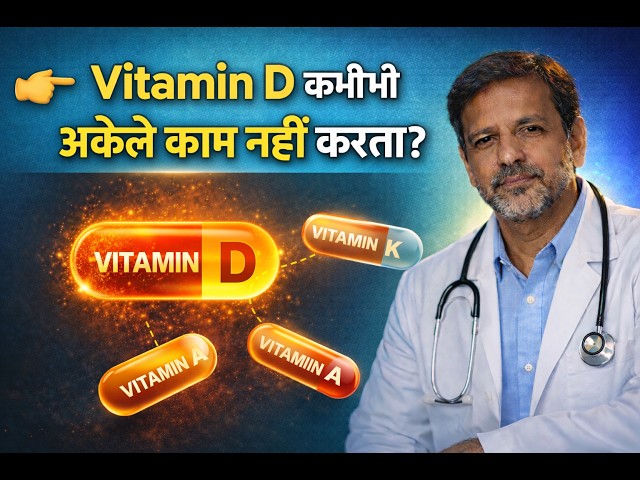
- Vitamin K2 – directs calcium away from arteries
- Magnesium – supports vitamin D activation
- Omega-3 fatty acids – reduce vascular inflammation
- Sunlight exposure – enhances natural vitamin D synthesis
Heart-Supportive Diet Plan
Dietary Components
- Balanced meals with healthy fats
- Plenty of vegetables and antioxidants
- Regular intake of vitamin D–rich foods
- Moderate sodium intake
Dietary Habits That Impair Vitamin D Status
- Very low-fat diets
- Highly processed foods
- Excess alcohol
- Chronic nutrient deficiencies
Yoga to Support Cardiovascular Function
Beneficial Yoga Poses
- Tadasana – improves posture and circulation
- Setu Bandhasana – supports heart opening
- Bhujangasana – enhances chest expansion
- Viparita Karani – improves venous return
Pranayama for Heart & Vascular Balance
Breathing Techniques
- Anulom Vilom – balances heart rate variability
- Bhramari – reduces stress-related cardiac load
- Slow deep breathing – improves oxygen delivery
Lifestyle Habits That Improve Cardiovascular Health
💡 Key Lifestyle Practices
- Regular physical activity
- Safe sunlight exposure
- Stress management practices
- Consistent sleep routine
- Avoid smoking
30-Day Vitamin D Cardiovascular Support Protocol
Week 1–2: Assess sun exposure, improve diet, begin vitamin D supplementation
Week 3–4: Add yoga and pranayama, reinforce nutrient synergies, maintain consistent lifestyle habits
Frequently Asked Questions
Can vitamin D improve heart health?
Vitamin D supports multiple pathways involved in cardiovascular balance and function.
How long does it take to see benefits?
Improvements in cardiovascular markers may develop gradually over several months.
Is vitamin D safe for daily use?
When taken within recommended ranges, vitamin D is generally well tolerated.
Should vitamin D be taken with food?
Yes, taking vitamin D with meals containing fat improves absorption.
Final Thoughts
Vitamin D is a foundational nutrient for overall cardiovascular function. By supporting vascular flexibility, blood pressure balance, inflammation control, and heart muscle performance, it plays a vital role in long-term heart health. When combined with supportive nutrition, yoga, pranayama, and mindful lifestyle habits, vitamin D offers a powerful and natural strategy for maintaining cardiovascular resilience.
⚠️ Important Disclaimer
This content is for educational purposes only and does not replace professional medical advice. Always consult a qualified healthcare provider before starting supplements, especially if you have medical conditions, are pregnant, or are taking medication.









