

Stroke survivors face a long and complex recovery process that extends far beyond the acute event. Even after blood flow is restored, brain cells remain vulnerable to inflammation, oxidative stress, and secondary injury that can limit functional recovery.
Neuroprotection—protecting surviving neurons and supporting their recovery—is a critical goal in post-stroke care. Nutrition and micronutrient status play a major role in this process.
Vitamin D, often overlooked as a brain nutrient, has emerged as a key factor in neurological protection and recovery. This article explains how vitamin D supports neuroprotection in stroke survivors and how it can be used safely as part of a holistic recovery strategy.
Understanding Stroke and Neurodegeneration
A stroke deprives brain tissue of oxygen and nutrients, leading to neuronal injury and death.
After the initial event, secondary damage can occur due to inflammation, excitotoxicity, and oxidative stress.
Preventing ongoing neurodegeneration is essential for preserving brain function and maximizing recovery potential.
What Is Vitamin D?
Vitamin D is a fat-soluble hormone-like nutrient involved in calcium regulation, immune balance, and cellular signaling.
Beyond bone health, vitamin D receptors are widely distributed throughout the brain.
This widespread presence highlights its importance in neurological health and brain protection.
Vitamin D Deficiency in Stroke Survivors
Vitamin D deficiency is extremely common among stroke patients.
Limited sun exposure, aging, poor diet, and chronic illness contribute to low levels.
Deficiency has been associated with worse stroke severity, slower recovery, and increased disability.
What Neuroprotection Means in Stroke Recovery
Neuroprotection refers to strategies that preserve surviving neurons and prevent secondary brain injury.
This includes reducing inflammation, stabilizing neuronal signaling, and supporting cellular repair.
Vitamin D addresses multiple aspects of neuroprotection simultaneously.
How Vitamin D Protects Brain Cells
- Regulates neuroinflammatory pathways
- Supports antioxidant defenses
- Stabilizes calcium flow in neurons
- Protects against excitotoxic damage
- Supports neuronal survival signaling
Vitamin D and Post-Stroke Inflammation Control
Inflammation after stroke can damage healthy neurons near the injury site.
Vitamin D modulates immune responses and reduces excessive inflammatory signaling.
This helps create a safer environment for brain healing.
Reducing Oxidative Stress in the Brain
Oxidative stress accelerates neuronal damage after stroke.
Vitamin D enhances antioxidant enzyme activity.
This reduces free-radical injury and supports long-term neuronal integrity.
Calcium Regulation and Neuronal Stability
Excess calcium entry into neurons after stroke can trigger cell death.
Vitamin D helps regulate calcium balance within brain cells.
This stabilizing effect protects neurons from excitotoxic injury.
Vitamin D and Neuroplasticity
Neuroplasticity is the brain's ability to reorganize and form new connections.
Vitamin D supports the expression of growth factors involved in neural repair.
This enhances the brain's capacity to relearn movement, speech, and cognition.
Impact on Physical and Cognitive Recovery
Adequate vitamin D levels are associated with better muscle strength, balance, and mobility.
It also supports cognitive clarity, mood stability, and emotional resilience.
Together, these effects contribute to improved quality of life after stroke.
Who Benefits Most from Vitamin D After Stroke
- Stroke survivors with low vitamin D levels
- Older adults with limited sun exposure
- Individuals with mobility restrictions
- Patients undergoing long-term rehabilitation
- Those at risk of recurrent stroke
Best Forms of Vitamin D
Recommended Vitamin D Formulations
- Vitamin D3 supplements
- Liquid or capsule formulations
- Vitamin D combined with healthy fats
- Clinically monitored high-potency forms
Dosage, Timing, and Safety Guidelines
Safe Supplementation Practices
- Base dosing on blood levels when possible
- Take with meals containing fat
- Avoid excessive dosing without supervision
- Monitor calcium balance during long-term use
Timeline: When to Expect Benefits
💡 Expected Recovery Timeline
- 2–4 weeks: Improved energy and mood stability
- 6–8 weeks: Better muscle strength and balance
- 3 months: Enhanced rehabilitation response
- Ongoing: Long-term neuroprotection
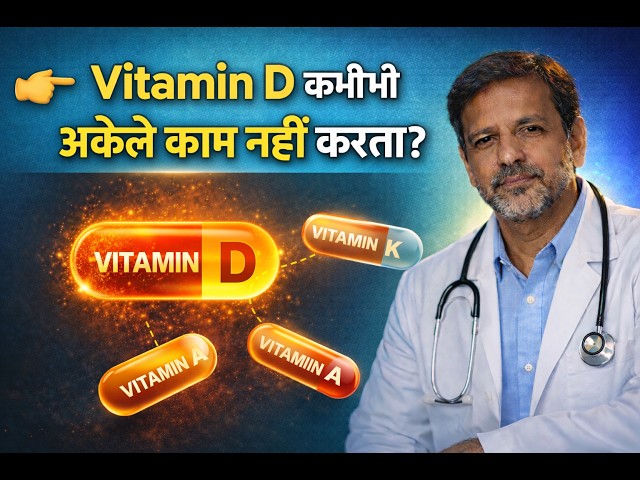
Nutrients That Work Synergistically with Vitamin D
Complementary Nutrients for Neuroprotection
- Magnesium for vitamin D activation
- Omega-3 fatty acids for brain repair
- Vitamin K for calcium balance
- Antioxidants for neuronal protection
- Protein for tissue recovery
Diet Plan to Support Neuroprotection
Neuroprotective Dietary Guidelines
- Healthy fats to aid vitamin D absorption
- Protein-rich whole foods
- Fruits and vegetables rich in antioxidants
- Adequate hydration
- Balanced mineral intake
Dietary Factors That Impair Vitamin D Status
- Low-fat restrictive diets
- Highly processed foods
- Minimal sun exposure
- Chronic inflammation
- Poor gut absorption
Yoga Practices for Neurological Recovery
- Gentle assisted movements
- Seated and supported poses
- Balance and coordination exercises
- Restorative yoga
- Daily guided mobility work
Pranayama to Support Brain Oxygenation
- Anulom Vilom
- Bhramari
- Deep diaphragmatic breathing
- Slow rhythmic breathing
30-Day Neuroprotection Support Protocol
Frequently Asked Questions
Can vitamin D prevent another stroke?
It supports overall neurological and cardiovascular health but does not replace medical prevention strategies.
Is vitamin D safe for long-term use after stroke?
Yes, when monitored and used within recommended ranges.
Does vitamin D improve brain recovery?
It supports neuroprotection and creates a favorable environment for recovery.
Should vitamin D be tested before supplementation?
Yes, testing helps guide safe and effective dosing.
Final Thoughts
Vitamin D plays a crucial yet underappreciated role in neuroprotection for stroke survivors. By reducing inflammation, controlling oxidative stress, stabilizing neuronal signaling, and supporting neuroplasticity, it addresses several root mechanisms of post-stroke brain injury.
When combined with medical care, rehabilitation therapy, a neuroprotective diet, yoga, pranayama, and balanced lifestyle practices, vitamin D becomes a powerful ally in protecting brain health and supporting long-term recovery after stroke.
⚠️ Important Disclaimer
This article is for educational purposes only and does not constitute medical advice. Stroke recovery and supplementation should always be guided by qualified healthcare professionals.









