
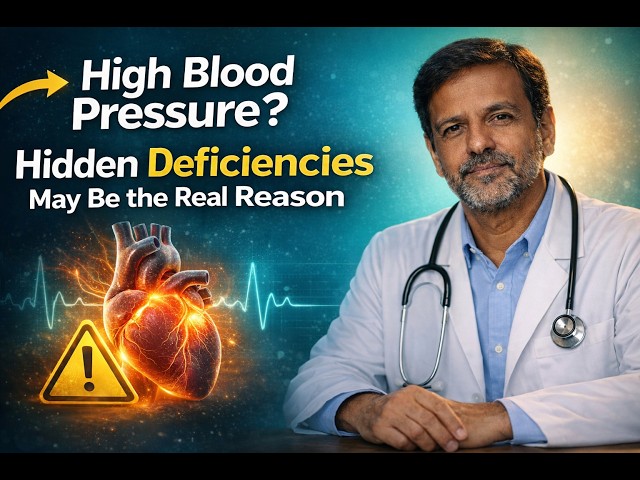
Hypertension, commonly known as high blood pressure, is one of the most widespread yet underestimated threats to heart health. Millions of people live with elevated blood pressure for years without feeling unwell, unaware that silent and progressive damage is occurring inside their heart and blood vessels.
Unlike acute illnesses that produce obvious symptoms, hypertension works quietly. It gradually reshapes the heart, stiffens arteries, disrupts blood flow, and dramatically increases the risk of heart attack, stroke, and heart failure.
This article explains how hypertension silently damages the heart, why symptoms often appear late, and what can be done to protect and restore cardiovascular health.
What Is Hypertension?
Hypertension is a chronic condition in which the force of blood pushing against artery walls remains persistently elevated.
Over time, this constant pressure overload forces the heart to work harder with every beat, setting off a cascade of structural and functional changes.
Why Hypertension Is Called the Silent Killer
Most people with high blood pressure feel completely normal.
There are often no warning symptoms until significant organ damage has already occurred.
This absence of symptoms leads to delayed diagnosis and undertreatment, allowing damage to accumulate unnoticed.
How High Blood Pressure Strains the Heart
The heart is a pump designed to work against normal resistance.
Hypertension increases this resistance, forcing the heart to generate more force to push blood forward.
Over time, this constant overexertion exhausts the heart muscle and accelerates wear and tear.
Left Ventricular Hypertrophy: Thickened Heart Muscle
The left ventricle is the main pumping chamber of the heart.
In response to high blood pressure, its walls thicken in an attempt to cope with increased workload.
While initially adaptive, this thickening eventually reduces flexibility, impairs filling, and increases oxygen demand.
Hypertension and Coronary Artery Damage
High blood pressure damages the inner lining of coronary arteries.
This damage:
- Promotes plaque formation
- Reduces oxygen delivery to heart muscle
- Increases the risk of coronary artery disease
Endothelial Dysfunction and Blood Vessel Injury
The endothelium regulates blood vessel tone and blood flow.
Hypertension disrupts endothelial function, reducing nitric oxide availability and causing vessels to remain constricted.
This creates a vicious cycle where blood pressure continues to rise.
Acceleration of Atherosclerosis
High blood pressure accelerates the development of atherosclerosis.
Damaged arteries allow cholesterol and inflammatory cells to penetrate vessel walls more easily.
This leads to faster plaque buildup and increased heart attack risk.
Hypertension and Heart Failure
Over time, the thickened, stiff heart muscle loses efficiency.
The heart may struggle to fill properly or pump effectively, resulting in heart failure.
Hypertension is one of the leading causes of heart failure worldwide.
High Blood Pressure and Heart Rhythm Disorders
Structural changes caused by hypertension disrupt the heart's electrical system.
This increases the risk of:
- Atrial fibrillation
- Palpitations
- Sudden cardiac events
Silent Heart Attacks and Hypertension
Hypertension increases the likelihood of silent or minimally symptomatic heart attacks.
Damage may occur without classic chest pain, especially in people with diabetes or long-standing high blood pressure.
Common Causes and Risk Factors
- Chronic stress
- Excess salt and ultra-processed foods
- Insulin resistance
- Obesity and sedentary lifestyle
- Sleep deprivation and sleep apnea
- Genetic predisposition
Early Warning Signs Often Overlooked
Although often silent, subtle clues may include:
- Morning headaches
- Fatigue or brain fog
- Shortness of breath with exertion
- Palpitations
Why Normal Readings Can Still Miss Damage
Blood pressure fluctuates throughout the day.
Normal readings at a clinic may miss:
- Night-time hypertension
- Stress-related spikes
- Early organ damage
Damage can occur even with borderline or intermittent elevations.
Can Hypertensive Heart Damage Be Reversed?
Early changes may be partially reversible with proper treatment.
Reducing blood pressure can:
- Decrease heart muscle thickness
- Improve vessel flexibility
- Lower future cardiovascular risk
Nutritional Strategies to Protect the Heart
Heart-Protective Nutrition
- Potassium-rich foods to balance sodium
- Magnesium for vascular relaxation
- Omega-3 fatty acids for inflammation control
- Antioxidant-rich vegetables and fruits
Lifestyle Changes That Lower Blood Pressure
Evidence-Based Lifestyle Interventions
- Regular physical activity
- Stress reduction and breathing exercises
- Quality sleep
- Weight management
- Limiting alcohol and quitting smoking
When Medication Is Necessary
For many individuals, lifestyle changes alone may not be sufficient.
Medications help reduce pressure on the heart and prevent further damage.
Early treatment often prevents long-term complications.
Frequently Asked Questions
Can I feel high blood pressure?
Usually no. Most people feel normal even when damage is occurring.
Is mild hypertension dangerous?
Yes. Even mildly elevated blood pressure increases long-term heart risk.
Can lifestyle changes replace medication?
Sometimes, but many people need both for optimal protection.
Final Thoughts & Disclaimer
Hypertension silently reshapes the heart and blood vessels long before symptoms appear. By the time warning signs emerge, significant damage may already exist.
Early detection, consistent blood pressure control, and a heart-supportive lifestyle can prevent devastating outcomes and preserve heart function for decades.
⚠️ Disclaimer
This article is for educational purposes only and does not replace professional medical advice. Always consult qualified healthcare professionals for diagnosis and treatment of high blood pressure.









