
For decades, calcium has been marketed as the ultimate solution for strong bones. From childhood milk campaigns to calcium tablets for aging adults, the message has been consistent: more calcium equals stronger bones.
Yet osteoporosis rates continue to rise worldwide. Many people with fractures have normal or even high calcium intake. The problem isn't calcium itself—it's the missing partners that tell calcium where to go and how to work.
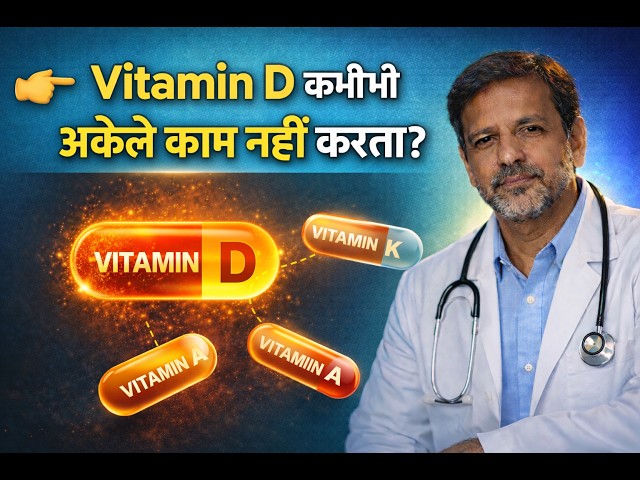
Vitamin D3 and vitamin K2 are the silent directors of bone health. Without them, calcium cannot protect bones and may even contribute to long-term harm.
Understanding Bone Health Beyond Calcium
Bones are living organs that constantly remodel. They require minerals for hardness, proteins for flexibility, and vitamins for regulation.
Calcium provides structure, but it does not decide absorption, placement, or retention. That responsibility lies primarily with vitamin D3 and vitamin K2.
Why Calcium Alone Often Fails
Calcium supplementation without adequate vitamin D3 and K2 creates an imbalance.
- Calcium may not be absorbed efficiently
- Excess calcium can remain in the bloodstream
- Calcium may deposit in arteries instead of bones
- Bone density may continue to decline silently
This explains why calcium-only strategies often fail to prevent fractures.
Vitamin D3: The Calcium Absorption Gatekeeper
Vitamin D3 enables calcium absorption from the gut into the bloodstream. Without it, only a fraction of dietary calcium is absorbed.
D3 also regulates calcium reabsorption in the kidneys and supports bone-forming cells.
What Happens When Vitamin D3 Is Low?
- Poor calcium absorption
- Secondary hyperparathyroidism
- Increased calcium loss from bones
- Muscle weakness and higher fall risk
Vitamin D3 deficiency often exists even in sunny climates due to indoor lifestyles and sunscreen use.
Vitamin K2: The Calcium Traffic Director
Vitamin K2 activates proteins that guide calcium into bones and teeth while keeping it out of soft tissues.
It activates osteocalcin, a protein that locks calcium into the bone matrix, and matrix Gla protein, which prevents arterial calcification.
Hidden Dangers of Vitamin K2 Deficiency
Vitamin K2 deficiency does not cause immediate symptoms, but long-term effects can be serious.
- Reduced bone mineral density
- Increased fracture risk
- Calcium buildup in arteries
- Stiffer, more brittle bones
Why Vitamin D3 and K2 Must Work Together
Vitamin D3 increases calcium absorption. Vitamin K2 ensures calcium is used correctly.
Without K2, higher D3 levels may increase circulating calcium without improving bone strength. Together, they create a safe and effective calcium pathway.
Calcium: Bones vs Arteries
Calcium misplacement is one of the most overlooked risks in bone health.
When D3 and K2 are insufficient, calcium may harden arteries while bones remain weak. This dual risk affects both fracture risk and cardiovascular health.
Women, Menopause & Bone Loss
Estrogen decline accelerates bone breakdown and increases calcium loss. Vitamin D3 and K2 help slow this process by improving mineral retention and bone remodeling.
Men, Aging & Structural Bone Strength
Men experience slower but steady bone loss with age. Adequate D3 and K2 support testosterone balance, muscle strength, and bone density.
Children, Teenagers & Peak Bone Mass
Peak bone mass is built during youth. Vitamin D3 and K2 deficiencies during growth years permanently limit bone strength later in life.
Gut Health and Vitamin Absorption
Fat-soluble vitamins like D3 and K2 require healthy digestion. Low bile, gut inflammation, or restrictive diets reduce absorption.
Why Standard Tests Miss the Real Problem
Normal blood calcium does not indicate strong bones. The body tightly regulates blood calcium by pulling it from bones if necessary.
Vitamin D3 may appear "normal" while K2 status is rarely tested, masking long-term risk.
Food Sources of Calcium, D3 & K2
- Calcium: dairy, sesame seeds, leafy greens
- Vitamin D3: sunlight, fatty fish, egg yolk
- Vitamin K2: fermented foods, cheese, egg yolk
How to Supplement Safely and Effectively
Supplementation should focus on balance, not excess.
- Calcium: moderate intake from food first
- Vitamin D3: individualized dosing based on lifestyle
- Vitamin K2 (MK-7): supports long-term calcium placement
Exercise, Sunlight & Bone Remodeling
Weight-bearing exercise signals bones to strengthen. Sunlight supports natural vitamin D production. Together with nutrition, they complete the bone health equation.
A 90-Day Bone-Support Action Plan
Frequently Asked Questions
Is calcium harmful without K2?
Excess calcium without K2 may increase arterial calcification risk.
Can I take D3 and K2 together?
Yes. They are designed to work synergistically.
Do I still need calcium?
Yes, but in balanced amounts alongside D3, K2, and magnesium.
Final Thoughts & Disclaimer
Calcium alone cannot protect your bones. Without vitamin D3 and K2, calcium becomes directionless—absorbed poorly, misused, or misplaced. True bone strength comes from balance, coordination, and long-term consistency.
⚠️ Disclaimer
This content is for educational purposes only and does not replace medical advice. Always consult a qualified healthcare professional before starting supplements or making health-related changes.