

Introduction
Sexual desire is not driven by psychology alone. It is a complex biological process influenced by hormones, brain chemistry, energy availability, circulation, and emotional well-being. When any of these systems become dysregulated, libido often declines.
Vitamin D deficiency is increasingly recognized as a silent contributor to hormone-related low sexual desire in both men and women. Despite living in sunny environments, modern indoor lifestyles, stress, and metabolic dysfunction have made deficiency widespread.
This article explains how vitamin D supports hormone-linked sexual desire by improving endocrine signaling, reducing inflammation, enhancing energy, and restoring the biological foundations of libido.
Understanding Sexual Desire and Hormonal Control
Sexual desire is regulated by a coordinated interaction between sex hormones, the nervous system, and energy metabolism.
Testosterone, estrogen, and progesterone influence motivation, arousal, and responsiveness, while neurotransmitters such as dopamine drive interest and reward.
When hormonal signaling weakens, sexual desire often fades even when emotional intimacy remains intact.
Vitamin D: A Hormone-Regulating Nutrient
Vitamin D functions as a steroid-like hormone rather than a simple vitamin. It influences gene expression across multiple endocrine pathways.
Its role extends to reproductive hormone production, receptor sensitivity, and feedback signaling.
Low vitamin D disrupts these pathways, contributing to reduced sexual vitality.
Vitamin D Receptors in Reproductive Tissues
Vitamin D receptors are present in the ovaries, testes, uterus, prostate, and brain regions involved in sexual behavior.
Activation of these receptors supports hormone synthesis and tissue responsiveness.
Without sufficient vitamin D, receptor signaling weakens, reducing libido-related hormonal effects.
Vitamin D, Testosterone, and Estrogen Balance
Vitamin D supports healthy testosterone levels in men and balanced estrogen signaling in women.
Deficiency is associated with lower free testosterone and impaired estrogen receptor sensitivity.
Restoring vitamin D status helps normalize hormone availability and responsiveness.
Brain Chemistry, Dopamine, and Desire
Dopamine is the primary neurotransmitter driving sexual motivation and pleasure anticipation.
Vitamin D supports dopamine synthesis and receptor function.
Low levels often correlate with reduced motivation, pleasure response, and sexual interest.
Energy, Mood, and Sexual Motivation
Fatigue and low mood are major inhibitors of sexual desire.
Vitamin D supports mitochondrial energy production and mood regulation.
Improved energy and emotional stability naturally enhance libido.
Inflammation, Fatigue, and Low Libido
Chronic inflammation suppresses hormone signaling and increases fatigue.
Vitamin D reduces inflammatory cytokines that interfere with sexual function.
This anti-inflammatory effect helps restore physical readiness for intimacy.
Thyroid, Adrenal Function, and Sexual Health
Sexual desire depends on stable thyroid and adrenal function.
Vitamin D supports both systems by improving hormonal communication and stress resilience.
This indirect support plays a major role in libido recovery.
Blood Flow, Vascular Health, and Arousal
Healthy blood flow is essential for arousal and physical responsiveness.
Vitamin D improves endothelial function and nitric oxide availability.
This supports vascular responsiveness involved in sexual performance.
Signs of Vitamin D Deficiency Linked to Low Desire
- Low libido or reduced sexual interest
- Chronic fatigue
- Low mood or irritability
- Hormonal imbalances
- Muscle weakness or aches
- Frequent illness or inflammation
Correct Dosage, Sun Exposure, and Supplement Forms
Most adults require 2,000–5,000 IU daily to maintain optimal levels.
Vitamin D3 is the preferred form for supplementation.
Sun exposure and fat-containing meals improve effectiveness.
Key Nutrient and Lifestyle Synergies
Nutrient and Lifestyle Support
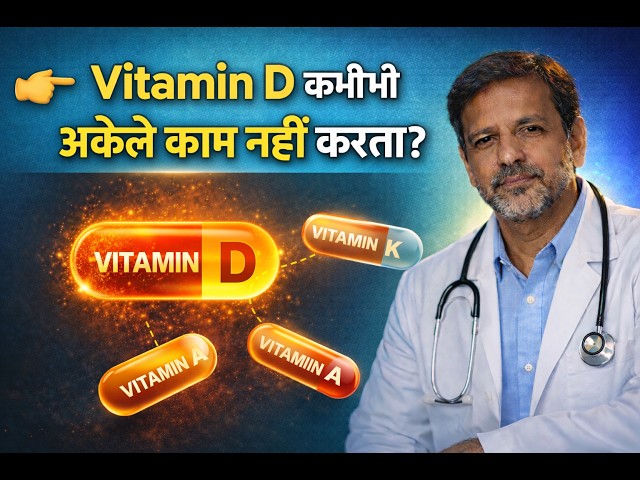
- Magnesium for vitamin D activation
- Vitamin K2 for hormone safety
- Zinc for sexual hormone production
- Omega-3s for inflammation control
- Strength training and sunlight exposure
Timeline: When Libido Changes Are Noticed
💡 Expected Timeline for Results
Within 3–4 weeks, energy and mood often improve.
Hormone-related desire may increase within 6–8 weeks.
Full benefits develop with consistent long-term optimization.
Who Benefits Most from Vitamin D Optimization
Individuals with low libido, fatigue, or hormonal imbalance benefit significantly.
Those with indoor lifestyles or limited sun exposure are especially vulnerable.
Both men and women experience libido improvements when deficiency is corrected.
Common Mistakes That Limit Results
Errors to Avoid
- Taking vitamin D without magnesium reduces activation
- Inconsistent dosing delays hormonal response
- Stopping supplementation too early prevents libido restoration
A 90-Day Libido Restoration Plan
This integrative approach restores hormonal desire pathways.
Frequently Asked Questions
Can vitamin D increase sexual desire?
Yes, when low vitamin D is a contributing factor.
Is vitamin D safe long-term?
Yes, when used within recommended ranges.
Can vitamin D replace hormone therapy?
No, but it supports natural hormone signaling.
Final Thoughts & Disclaimer
Vitamin D is a foundational regulator of hormone-linked sexual desire. By supporting endocrine balance, energy production, brain chemistry, and circulation, it helps restore libido at its biological roots.
⚠️ Medical Disclaimer
This article is for educational purposes only and does not replace professional medical advice. Always consult a qualified healthcare provider before beginning supplementation, especially for hormonal concerns.









