

Bone loss is one of the most significant yet silent health challenges women face after menopause. The decline in estrogen that defines menopause accelerates bone breakdown, often without obvious symptoms until a fracture occurs. For many women, the first sign of osteoporosis is a broken wrist, hip, or spine fracture after a minor fall.
Calcium and vitamin D are foundational nutrients for bone health, yet deficiencies are widespread among menopausal and postmenopausal women. Without adequate intake and proper absorption, bones lose density, strength, and resilience year after year.
This article explains how calcium and vitamin D work together to prevent menopausal bone loss, reduce fracture risk, and support long-term skeletal health through a proactive, solution-oriented approach.
Menopause and Bone Health: What Changes
Menopause marks a hormonal shift that directly affects bone metabolism.
- Rapid decline in estrogen levels
- Increased bone breakdown (resorption)
- Reduced bone formation
- Accelerated loss of bone mineral density
Women can lose up to 10–20% of their bone mass in the first 5–10 years after menopause if preventive measures are not taken.
Understanding Bone Remodeling and Aging
Bone is a living tissue that constantly renews itself through remodeling.
- Osteoclasts break down old bone
- Osteoblasts build new bone
- Healthy bones maintain balance between the two
- Aging shifts balance toward bone loss
After menopause, this balance becomes disrupted, favoring bone breakdown unless nutritional and lifestyle support is provided.
Role of Estrogen in Bone Protection
Estrogen plays a protective role in skeletal health.
- Inhibits excessive bone resorption
- Supports calcium retention in bone
- Maintains bone microarchitecture
- Reduces fracture risk
When estrogen declines, bones become more vulnerable to mineral loss.
Why Calcium Is Essential for Bone Strength
Calcium is the primary mineral component of bone.
Calcium Functions
- Provides structural strength and rigidity
- Supports bone density and hardness
- Essential for muscle contraction and nerve signaling
- Drawn from bones when dietary intake is insufficient
Inadequate calcium intake forces the body to leach calcium from bones, accelerating bone loss.
Why Vitamin D Is Critical for Calcium Absorption
Vitamin D is essential for calcium utilization.
Vitamin D Functions
- Enhances calcium absorption in the intestines
- Regulates calcium balance in blood
- Supports bone mineralization
- Plays a role in muscle strength and balance
Without sufficient vitamin D, even a calcium-rich diet cannot effectively protect bones.
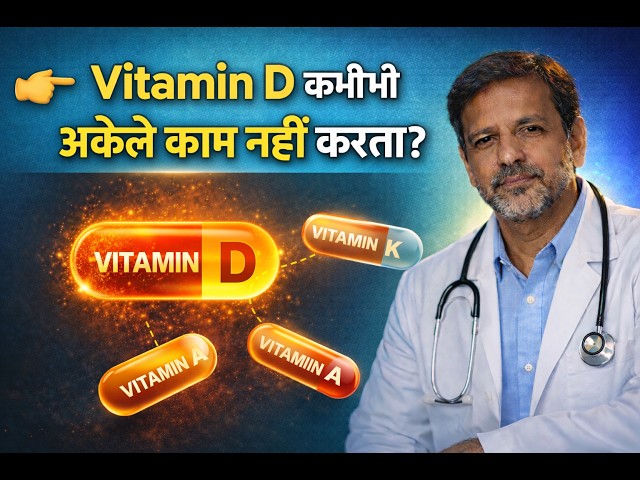
Calcium–Vitamin D Synergy for Bone Preservation
Calcium and vitamin D work best together.
Synergistic Benefits
- Vitamin D improves calcium absorption efficiency
- Calcium provides raw material for bone formation
- Synergy reduces bone turnover imbalance
- Together they lower fracture risk
Supplementing one without the other limits protective benefits.
Risk Factors for Accelerated Bone Loss After Menopause
Several factors increase susceptibility to bone loss.
- Family history of osteoporosis
- Low body weight or frailty
- Sedentary lifestyle
- Smoking and excessive alcohol intake
- Low calcium or vitamin D intake
Osteopenia and Osteoporosis Explained
Bone loss progresses in stages.
Bone Loss Progression
- Osteopenia: mild to moderate bone density loss
- Osteoporosis: severe bone thinning
- Fragile bones prone to fractures
- Often asymptomatic until injury occurs
Early intervention can slow or prevent progression.
Fracture Risk and Long-Term Consequences
Fractures can significantly impact independence and quality of life.
- Hip fractures increase disability risk
- Spinal fractures cause height loss and pain
- Wrist fractures impair daily function
- Recovery becomes slower with age
Why Calcium and Vitamin D Deficiency Is Common in Menopause
Deficiency becomes more common with age.
- Reduced dietary intake
- Lower stomach acid affecting absorption
- Less sun exposure for vitamin D synthesis
- Hormonal changes affecting mineral metabolism
Dietary Sources of Calcium and Vitamin D
Food-based intake forms the foundation of bone health.
Food Sources and Absorption
- Calcium: dairy, leafy greens, sesame seeds, almonds
- Vitamin D: sunlight exposure, fatty fish, egg yolks
- Balanced fat intake improves vitamin D absorption
- Consistency is more important than occasional intake
Supplementation, Dosage, and Safety
Supplementation may be needed when diet alone is insufficient.
Dosage Guidelines
- Calcium: commonly 1000–1200 mg per day from all sources
- Vitamin D: often 800–2000 IU daily, depending on levels
- Split calcium doses for better absorption
- Medical guidance recommended for long-term use
Lifestyle Practices That Protect Bone Health
Nutrition works best with supportive lifestyle habits.
- Weight-bearing and resistance exercises
- Avoidance of smoking
- Moderate alcohol intake
- Fall-prevention strategies
30-Day Bone Protection Plan for Menopause
This plan supports early and ongoing bone preservation.
Assess diet, sunlight, and activity levels. Increase calcium- and vitamin D–rich foods. Introduce supplementation if needed. Add strength and balance exercises.
Frequently Asked Questions
Can calcium and vitamin D really prevent osteoporosis?
They significantly slow bone loss and reduce fracture risk when combined with lifestyle measures.
Should supplements be taken lifelong after menopause?
Many women benefit from long-term use, but dosage should be reviewed periodically with a healthcare provider.
Is too much calcium harmful?
Excess intake may cause side effects, so total daily intake should be monitored.
Final Thoughts
Menopausal bone loss is not inevitable, but it is predictable—and therefore preventable. Calcium and vitamin D form the nutritional foundation of bone protection by supporting mineral density, structural strength, and fracture resistance. When combined with appropriate exercise, lifestyle habits, and medical monitoring, these nutrients empower women to preserve mobility, independence, and skeletal health well into later life.
⚠️ Disclaimer
This article is for educational purposes only. Bone health concerns, supplementation, and osteoporosis prevention should be discussed with a qualified healthcare professional, especially for individuals with existing medical conditions.









