

Introduction
Rosacea is no longer viewed solely as a surface-level skin condition. Increasing evidence shows that it is deeply connected to immune system imbalance within the skin, leading to chronic inflammation, redness, flushing, and heightened sensitivity.
Healthy skin depends on a well-regulated immune response—strong enough to protect against microbes and environmental stress, yet calm enough to avoid unnecessary inflammation. When this balance is lost, as in rosacea, the skin becomes reactive and inflamed.
Vitamin D plays a central role in immune regulation throughout the body, including the skin. This guide explores how adequate vitamin D levels support skin immunity, reduce inflammatory overreaction, and help stabilize rosacea-prone skin.
Understanding Rosacea as an Immune-Mediated Skin Condition
Rosacea involves abnormal immune activation within the skin.
- Chronic low-grade inflammation
- Heightened response to environmental triggers
- Persistent redness and flushing
- Increased sensitivity to skincare products
The Role of Skin Immunity in Rosacea
The skin is an active immune organ, not just a passive barrier.
- Detects pathogens and irritants
- Releases immune signaling molecules
- Coordinates inflammation and healing
- Maintains tolerance to harmless stimuli
Immune Dysregulation and Chronic Facial Inflammation
In rosacea, immune responses are exaggerated and prolonged.
- Overproduction of inflammatory mediators
- Delayed resolution of inflammation
- Increased nerve sensitivity
- Persistent vascular dilation
Skin Barrier Dysfunction in Rosacea
A weakened skin barrier worsens immune reactivity.
- Allows irritants to penetrate more easily
- Triggers immune overreaction
- Increases transepidermal water loss
- Leads to dryness, stinging, and burning
Why Vitamin D Is Critical for Skin Health
Vitamin D functions as a hormone that influences skin biology.
Key Functions of Vitamin D
- Regulates immune responses in the skin
- Supports barrier repair
- Promotes healthy cell turnover
- Reduces inflammatory signaling
Vitamin D and Immune System Regulation
Vitamin D acts as an immune modulator rather than a stimulant.
Regulatory Effects
- Prevents excessive immune activation
- Promotes immune tolerance
- Reduces chronic inflammatory signaling
- Supports balanced defense mechanisms
Vitamin D's Role in Innate Skin Immunity
Innate immunity is the skin's first line of defense.
Innate Immune Support
- Supports antimicrobial peptide production
- Improves defense against harmful microbes
- Reduces risk of secondary infections
- Maintains healthier skin flora balance
Balancing Adaptive Immune Responses in Rosacea
Adaptive immunity can become overactive in rosacea.
Adaptive Immune Modulation
- Vitamin D helps calm immune overreaction
- Reduces autoimmune-like skin responses
- Limits unnecessary tissue damage
- Supports long-term immune stability
Vitamin D's Anti-Inflammatory Effects on Skin
Inflammation is a key driver of rosacea symptoms.
- Vitamin D reduces inflammatory mediators
- Helps calm redness and swelling
- Supports faster resolution of flare-ups
- Improves overall skin comfort
Vitamin D and the Skin Microbiome
A healthy skin microbiome supports immune balance.
- Vitamin D helps regulate microbial balance
- Prevents overgrowth of harmful organisms
- Supports protective skin bacteria
- Reduces immune-triggering dysbiosis
Reducing Redness and Flushing Through Immune Balance
Immune-driven inflammation contributes to vascular instability.
- Vitamin D reduces inflammatory vascular signals
- May lessen frequency of flushing
- Supports calmer skin responses
- Improves long-term redness control
Who Benefits Most from Vitamin D Support
- Individuals with inflammatory rosacea
- People with frequent flushing and redness
- Those with known vitamin D deficiency
- Individuals with sensitive or reactive skin
- People with limited sun exposure
Vitamin D Deficiency and Rosacea Severity
Low vitamin D levels may worsen immune imbalance.
- Increased inflammation
- Impaired skin barrier repair
- Higher frequency of flare-ups
- Reduced tolerance to triggers
Modern Lifestyle Factors That Lower Vitamin D
- Indoor lifestyles
- Consistent sunscreen use without balance
- Air pollution reducing UV exposure
- Poor dietary intake
- Digestive absorption issues
Sources of Vitamin D for Skin Support
- Moderate sun exposure
- Fatty fish
- Egg yolks
- Fortified foods
- Supplementation when needed
Choosing the Right Vitamin D Supplement
Supplement Selection Criteria
- Vitamin D3 (cholecalciferol)
- Clean, well-tested formulations
- Combined with healthy fats
- Used under professional guidance if needed
Dosage, Timing & Safety Guidelines
💡 Safe Dosing Practice
- General support: 800–2000 IU daily
- Deficiency correction: As advised by a professional
- Take with meals containing fat
- Avoid excessive dosing without testing
Timeline: When Skin Improvements May Appear
Nutrients That Work Synergistically with Vitamin D
Complementary Nutrients
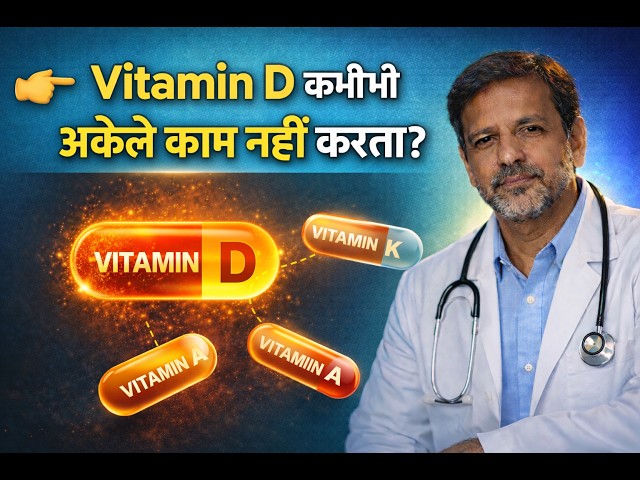
- Vitamin K2 for safe calcium balance
- Omega-3 fatty acids for inflammation control
- Magnesium for vitamin D activation
- Zinc for immune regulation
Lifestyle Practices to Strengthen Skin Immunity
- Balanced sun exposure
- Anti-inflammatory diet
- Gentle skincare routines
- Stress management
- Consistent sleep patterns
60-Day Vitamin D Skin Immunity Protocol
Frequently Asked Questions
Can vitamin D cure rosacea?
No. It supports immune balance but does not cure rosacea.
Can vitamin D reduce facial redness?
It may help reduce inflammation-driven redness over time.
Is vitamin D safe long-term?
Yes, when used within recommended doses.
Final Thoughts & Disclaimer
Rosacea is deeply influenced by immune imbalance and chronic inflammation within the skin. Vitamin D plays a foundational role in regulating skin immunity, strengthening the barrier, and preventing excessive inflammatory responses. While not a standalone treatment, maintaining optimal vitamin D levels can significantly support rosacea management and improve skin comfort when combined with appropriate skincare, nutrition, and medical guidance.
⚠️ Important Disclaimer
This content is for educational purposes only and does not replace professional medical advice. Always consult a qualified healthcare or dermatology professional for diagnosis and treatment of rosacea.









