

Introduction
Autism spectrum conditions involve differences in brain development, communication, sensory processing, and behavior. While autism is influenced by genetic factors, growing research highlights the importance of environmental and nutritional influences during pregnancy, infancy, and early childhood. Among these, vitamin D has emerged as a critical nutrient for healthy neurodevelopment.
Vitamin D is not just a bone-supporting vitamin; it functions as a neuroactive hormone that influences brain structure, immune regulation, neurotransmitter synthesis, and inflammation control. Supporting optimal vitamin D levels may help create a more favorable neurological environment for children on the autism spectrum and those at risk.
Understanding Autism and Neurodevelopment
Autism spectrum conditions involve differences in how the brain processes information.
- Atypical neural connectivity
- Sensory processing differences
- Communication and social interaction challenges
- Behavioral rigidity and repetitive patterns
How the Brain Develops in Early Life
Brain development begins before birth and continues rapidly in early childhood.
- Neurons form and migrate during pregnancy
- Synaptic connections develop after birth
- Neural pruning refines brain circuits
- Nutrients strongly influence these processes
What Is Vitamin D and Why It Matters for the Brain
Vitamin D functions as a hormone that affects gene expression throughout the body.
Brain Functions Supported by Vitamin D
- Vitamin D receptors are present in the brain
- Regulates genes involved in neural growth
- Supports brain cell differentiation
- Influences synaptic plasticity
Vitamin D Deficiency and Autism Risk
Low vitamin D levels have been observed more frequently in individuals with autism.
Risk Factors for Deficiency
- Maternal deficiency during pregnancy increases risk
- Limited sun exposure contributes to deficiency
- Dietary intake is often inadequate
- Deficiency may affect early brain wiring
Vitamin D as a Neuroprotective Nutrient
Vitamin D helps protect developing brain tissue.
💡 Neuroprotective Benefits
- Reduces oxidative stress in neurons
- Protects against neuroinflammation
- Supports neuronal survival
- Enhances resilience to environmental stressors
Vitamin D and Neurotransmitter Regulation
Neurotransmitters play a key role in behavior and communication.
Neurotransmitter Support
- Supports serotonin synthesis
- Influences dopamine regulation
- Helps balance excitatory and inhibitory signals
- Supports emotional and behavioral regulation
Immune System, Inflammation, and the Autistic Brain
Immune dysregulation is commonly observed in autism.
Immune and Inflammatory Support
- Chronic low-grade inflammation affects brain signaling
- Vitamin D modulates immune responses
- Reduces pro-inflammatory cytokines
- Supports immune tolerance
Vitamin D and the Gut–Brain Axis
The gut and brain communicate continuously.
💡 Gut-Brain Connection Benefits
- Vitamin D supports gut barrier integrity
- Helps regulate gut microbiota balance
- Reduces gut-driven inflammation
- Supports nutrient absorption for brain health
Behavioral and Cognitive Areas Supported by Vitamin D
- Attention and focus
- Emotional regulation
- Sleep quality
- Social engagement
- Learning readiness
Children Who Benefit Most from Vitamin D Support
- Children with limited sun exposure
- Autistic children with frequent infections
- Children with restricted diets
- Those with low measured vitamin D levels
Dietary and Natural Sources of Vitamin D
- Sunlight exposure
- Fortified dairy or plant milks
- Egg yolks
- Fatty fish
- Fortified cereals
Daily Diet Plan to Support Neurodevelopment
Dietary Factors That Interfere with Vitamin D Action
- Very low-fat diets
- Excess processed foods
- Poor gut absorption
- Chronic inflammation
Vitamin D Supplementation: Forms, Dosage, and Timing
Supplementation is often necessary for optimal levels.
Supplementation Guidelines
- Vitamin D3 is the preferred form
- Dosage based on age and blood levels
- Best taken with fat-containing meals
- Regular monitoring recommended
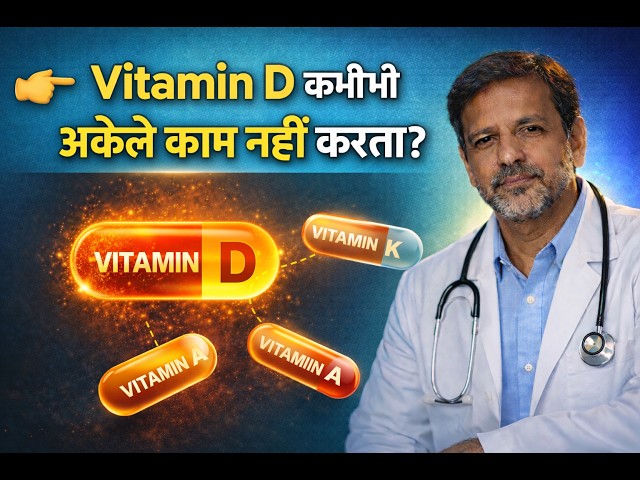
Synergistic Nutrients for Brain Development
- Omega-3 fatty acids for neural connectivity
- Magnesium for nervous system regulation
- Zinc for synaptic function
- B vitamins for neurotransmitter synthesis
Yoga and Movement Practices for Neurological Regulation
- Gentle stretching for sensory integration
- Balance-focused movements
- Predictable movement routines
- Play-based physical activity
Pranayama and Breathing for Nervous System Balance
- Slow belly breathing
- Rhythmic breathing patterns
- Calming breath exercises with guidance
Lifestyle Habits That Enhance Vitamin D Benefits
- Regular outdoor time
- Consistent sleep routines
- Low-stress environments
- Structured daily schedules
Expected Benefits and Developmental Timeline
- Weeks 4–6: Improved immunity and sleep
- Months 2–3: Better regulation and focus
- Ongoing: Supportive neurodevelopmental environment
Frequently Asked Questions
Can vitamin D cure autism?
No, but it can support brain health and improve related challenges.
Is vitamin D safe for children with autism?
Yes, when dosed appropriately and monitored.
Should vitamin D be tested before supplementation?
Testing helps personalize dosage and ensure safety.
Does sunlight alone provide enough vitamin D?
Often not, especially with limited sun exposure or darker skin tones.
Final Thoughts
Vitamin D plays a foundational role in brain development, immune regulation, and neurological resilience. In the context of autism, ensuring optimal vitamin D levels may help support neural connectivity, reduce inflammation, and create a healthier internal environment for learning and development. While it is not a standalone treatment, vitamin D—combined with balanced nutrition, structured routines, supportive therapies, and nurturing care—can be a valuable part of a comprehensive, child-centered support approach.
⚠️ Important Disclaimer
This content is for educational purposes only and does not replace professional medical advice. Always consult a qualified healthcare provider before starting vitamin D supplementation, especially for children or individuals with medical conditions.









