

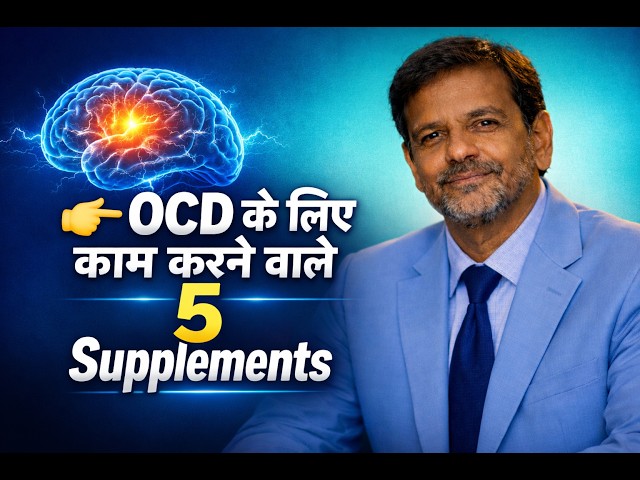
Obsessive-Compulsive Disorder (OCD) is not simply a pattern of unwanted thoughts or behaviors—it is a neurobiological condition involving disrupted brain signaling, serotonin imbalance, and heightened threat perception. People with OCD often experience intrusive thoughts, mental rigidity, repetitive behaviors, and intense anxiety that feels impossible to shut off.
Inositol is a naturally occurring compound that plays a critical role in brain cell communication and serotonin signaling. Unlike medications that force neurotransmitter changes, inositol works by improving how brain cells respond to existing serotonin.
This guide explores how inositol helps regulate serotonin, calm obsessive thinking, and support long-term nervous system balance in individuals with OCD.
Understanding OCD and Its Neurochemical Roots
OCD is driven by abnormal signaling between specific brain regions.
- Overactive threat-detection circuits
- Impaired inhibitory control
- Rigid thought patterns
- Difficulty disengaging from mental loops
These patterns are strongly influenced by serotonin signaling efficiency rather than serotonin quantity alone.
The Role of Serotonin in OCD
Serotonin helps regulate mood, impulse control, and cognitive flexibility.
- Supports emotional regulation
- Helps interrupt repetitive thoughts
- Reduces anxiety-driven behaviors
- Improves mental adaptability
In OCD, serotonin signaling is often inefficient at the receptor and cellular level.
What Is Inositol?
Inositol is a vitamin-like compound naturally found in the body and in certain foods.
It plays a central role in:
- Cell membrane structure
- Neurotransmitter receptor signaling
- Second-messenger systems in the brain
- Nervous system stability
How Inositol Works in the Brain
Inositol does not increase serotonin levels directly.
Instead, it improves how serotonin communicates within brain cells by enhancing intracellular signaling pathways. This allows serotonin to work more effectively where it already exists.
Cell Signaling, Receptors, and OCD
Brain communication depends on receptor signaling efficiency.
- Inositol supports receptor sensitivity
- Improves signal transmission inside neurons
- Reduces misfiring of anxiety circuits
This is why inositol is particularly relevant for OCD.
Reducing Obsessive Thoughts and Mental Loops
Obsessions feel uncontrollable because the brain struggles to disengage.
Inositol helps by:
- Reducing mental rigidity
- Lowering intrusive thought intensity
- Improving cognitive flexibility
Inositol and Compulsive Behaviors
Compulsions are attempts to reduce anxiety caused by obsessions.
By calming the underlying anxiety circuitry, inositol may reduce the urge to perform repetitive behaviors over time.
Anxiety Reduction and Emotional Regulation
OCD is tightly linked to anxiety.
Inositol supports emotional regulation by stabilizing serotonin-dependent pathways that calm the nervous system and reduce constant mental alertness.
Supporting Long-Term Nervous System Balance
Unlike fast-acting sedatives, inositol supports gradual recalibration.
- Improves stress tolerance
- Supports emotional steadiness
- Encourages healthier thought patterns
Best Forms of Inositol for OCD Support
Inositol Forms
- Myo-inositol powder (most studied)
- Capsules for convenience
- Pure formulations without stimulants
Dosage, Timing, and Safety Guidelines
Dosage Guidelines
- Common range: 6–18 grams daily
- Divide doses throughout the day
- Start low and increase gradually
- Consistency is more important than timing
Those on psychiatric medication should consult a healthcare professional.
Supportive Supplements to Pair with Inositol
Complementary Supplements
- Magnesium for nervous system calming
- Omega-3 fatty acids for brain inflammation control
- B-complex vitamins for neurotransmitter support
- L-theanine for anxiety reduction
Diet Plan to Support Serotonin and Brain Health
Serotonin-Supporting Foods
- Protein-rich meals
- Complex carbohydrates
- Healthy fats
- Stable blood sugar eating patterns
Foods and Habits That Worsen OCD Symptoms
💡 Habits to Avoid
- Excess caffeine
- Highly processed foods
- Chronic sleep deprivation
- Constant mental overstimulation
Yoga Practices to Calm Obsessive Thinking
Yoga for OCD
- Restorative yoga
- Grounding poses
- Slow, mindful movement
- Consistent daily practice
Pranayam for Mental Quiet and Regulation
Breathing Techniques
- Anulom Vilom
- Bhramari
- Extended exhale breathing
7-Day Inositol OCD Support Plan
This plan combines inositol supplementation, calming nutrition, gentle movement, and breathwork to support serotonin regulation and reduce obsessive symptoms.
Expected Timeline of Benefits
💡 Progress Timeline
- Week 1–2: Reduced anxiety intensity
- Weeks 3–4: Improved mental flexibility
- Month 2+: Reduced obsessive-compulsive patterns
Frequently Asked Questions
Can inositol cure OCD?
No, but it can significantly support symptom reduction.
Is inositol similar to antidepressants?
No, it works through cell signaling rather than direct neurotransmitter manipulation.
Is inositol safe long term?
Yes, when used responsibly.
Can inositol be combined with therapy?
Yes, it often enhances therapeutic progress.
Final Thoughts
OCD is a condition of disrupted signaling, not personal weakness or lack of willpower.
Inositol supports serotonin function at the cellular level, helping the brain regain flexibility, reduce obsessive loops, and calm anxiety-driven behaviors. When combined with therapy, nutrition, nervous system regulation, and patience, inositol can be a powerful tool for long-term OCD symptom management and emotional balance.
⚠️ Disclaimer
This content is for educational purposes only and does not substitute professional medical or mental health advice. Individuals with OCD should consult a qualified healthcare professional before starting inositol supplementation, especially if taking psychiatric medication.









