

Post-Traumatic Stress Disorder (PTSD) is not only a psychological condition—it is a whole-body disorder involving the brain, nervous system, immune system, and hormonal regulation. Persistent anxiety, mood swings, emotional numbness, depression, irritability, and sleep disruption are common and deeply exhausting for those living with PTSD.
Vitamin D, traditionally associated with bone health, is now recognized as a critical neurohormone involved in mood regulation, inflammation control, stress resilience, and brain function. Low vitamin D levels are increasingly observed in individuals with PTSD and are linked to worse emotional symptoms and recovery outcomes.
Introduction
This guide explores how vitamin D supports mood regulation in PTSD patients and how it can be used safely as part of a holistic recovery approach.
Understanding PTSD and Mood Dysregulation
PTSD develops when the nervous system remains locked in survival mode after trauma.
- Persistent fear and hypervigilance
- Emotional instability or numbness
- Intrusive memories and flashbacks
- Depressive episodes and low motivation
Mood symptoms in PTSD are driven by biological dysregulation—not personal weakness.
PTSD as a Brain and Nervous System Condition
Trauma alters how the brain processes safety, emotion, and memory.
- Overactivation of threat-detection pathways
- Reduced emotional regulation capacity
- Disrupted stress hormone signaling
- Chronic nervous system overdrive
Effective mood support must address these biological changes.
What Is Vitamin D?
Vitamin D functions as a hormone that influences thousands of genes throughout the body.
It plays a key role in:
- Brain development and protection
- Neurotransmitter synthesis
- Immune system regulation
- Inflammation control
Vitamin D Deficiency in PTSD Patients
Individuals with PTSD are at higher risk of vitamin D deficiency due to:
- Reduced outdoor activity and sunlight exposure
- Chronic stress increasing nutrient depletion
- Inflammatory immune activation
- Disrupted sleep–wake cycles
Low vitamin D levels are associated with worsened mood symptoms and reduced stress tolerance.
Vitamin D and Neurotransmitter Balance
Vitamin D influences the production and regulation of key mood-related neurotransmitters.
- Supports serotonin synthesis
- Helps regulate dopamine signaling
- Stabilizes glutamate activity
This helps reduce mood swings, emotional reactivity, and depressive symptoms.
Inflammation, Immunity, and Mood Instability
PTSD is associated with chronic low-grade inflammation.
Vitamin D helps:
- Reduce inflammatory signaling in the brain
- Protect neurons from immune-related damage
- Stabilize mood by lowering neuroinflammation
Vitamin D and the Stress Response System
The stress response system is often overactive in PTSD.
Vitamin D supports healthier stress regulation by:
- Modulating cortisol release
- Improving nervous system recovery
- Enhancing resilience to emotional triggers
Sleep, Circadian Rhythm, and Emotional Regulation
Sleep disturbances worsen PTSD symptoms.
Vitamin D supports:
- Circadian rhythm stability
- Improved sleep quality
- Nighttime nervous system recovery
Better sleep directly improves mood regulation.
Best Forms of Vitamin D
Optimal Vitamin D Forms
- Vitamin D3 (cholecalciferol)
- Liquid or softgel forms for absorption
- Combined with healthy fats
Dosage, Timing, and Safety Guidelines
Recommended Dosing
- Common range: 1000–4000 IU daily
- Take with meals containing fat
- Morning or midday dosing preferred
- Blood testing helps personalize dosing
Higher doses should be supervised by a healthcare professional.
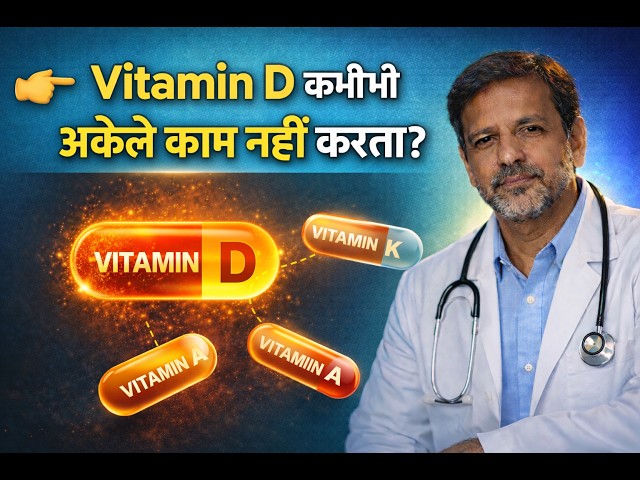
Nutrients That Work Synergistically with Vitamin D
Complementary Nutrients
- Magnesium for nervous system balance
- Omega-3 fatty acids for inflammation control
- Vitamin K2 for calcium regulation
- B-complex vitamins for emotional energy
Diet Plan to Support Vitamin D and Mood Health
Mood-Supporting Foods
- Fatty fish and whole-food fats
- Protein-rich meals
- Anti-inflammatory vegetables
- Stable blood sugar eating patterns
Foods and Habits That Worsen Mood Dysregulation
💡 Substances to Limit
- Highly processed foods
- Excess sugar
- Alcohol
- Chronic sleep deprivation
Yoga Practices to Support Emotional Regulation
💡 Beneficial Yoga Practices
- Grounding poses
- Restorative yoga
- Gentle spinal movements
- Consistent, slow-paced practice
Pranayam for PTSD Nervous System Balance
7-Day Vitamin D–Centered Mood Support Plan
This plan integrates vitamin D supplementation, gentle movement, breathwork, nutrition, and rest to support emotional regulation and nervous system safety.
Healing Timeline: What to Expect
Frequently Asked Questions
Can vitamin D treat PTSD?
No, it is a supportive therapy that complements professional care.
Does vitamin D help depression in PTSD?
It may support mood regulation and emotional stability.
Is vitamin D safe long term?
Yes, within appropriate dosing ranges.
Should levels be tested?
Testing is recommended for personalized dosing.
Final Thoughts
PTSD affects the entire regulatory system of the body—especially mood, stress response, and emotional resilience.
Vitamin D plays a crucial role in supporting brain health, reducing inflammation, stabilizing neurotransmitters, and improving stress tolerance. When used consistently alongside trauma-informed care, nutrition, movement, and nervous system regulation practices, vitamin D can become a valuable foundation for mood stabilization and long-term recovery in PTSD patients.
⚠️ Disclaimer
This content is for educational purposes only and does not replace professional medical or mental health care. Individuals with PTSD should seek guidance from qualified healthcare providers before starting supplementation.









