
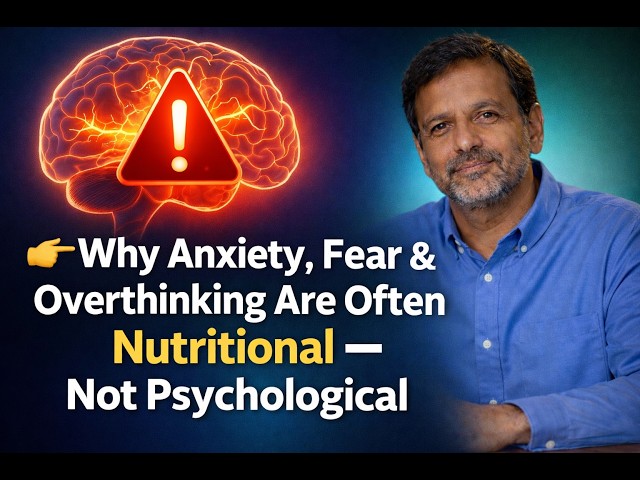
Anxiety, chronic stress, and mood imbalance have become defining health challenges of modern life. Constant mental pressure, emotional overload, sleep disruption, and overstimulation push the nervous system into a near-permanent state of fight-or-flight.
Over time, this leads to anxiety disorders, emotional volatility, burnout, low mood, and reduced resilience to everyday stressors. While medications can be helpful for some, many people seek natural solutions that address the root causes of stress without causing dependency or emotional numbing.
Introduction
Ashwagandha is one of the most trusted herbs in traditional wellness systems for restoring calm, balance, and mental strength. This guide explains how Ashwagandha reduces anxiety, supports mood stability, and helps rebuild a resilient nervous system through supplements, diet, yoga, and pranayama.
Why Anxiety and Mood Imbalance Are So Common Today
Modern lifestyles create constant internal pressure.
- Chronic psychological stress
- Sleep deprivation
- Excess screen time and information overload
- High caffeine and sugar intake
- Lack of restorative downtime
This environment overwhelms the nervous system and destabilizes mood-regulating pathways.
The Stress Response and Cortisol Overload
The body's stress response is designed for short-term survival, not constant activation.
- Elevated cortisol
- Increased adrenaline
- Reduced serotonin and GABA activity
- Impaired sleep and digestion
Chronic cortisol elevation is a major driver of anxiety and mood disorders.
What Is Ashwagandha?
Ashwagandha is a medicinal herb traditionally used to enhance resilience to stress and restore vitality.
Unlike stimulants or sedatives, Ashwagandha works by normalizing the body's stress response, helping the nervous system return to balance.
Ashwagandha as an Adaptogen
Adaptogens help the body adapt to stress rather than suppress symptoms.
Adaptogenic Benefits
- Regulates cortisol levels
- Improves stress tolerance
- Supports adrenal health
- Enhances mental endurance
Ashwagandha and Brain Chemistry
Ashwagandha influences key neurotransmitters involved in mood regulation.
Neurotransmitter Support
- Enhances GABA signaling (calming effect)
- Supports serotonin balance
- Reduces excitatory stress signaling
- Protects neurons from oxidative damage
Ashwagandha for Anxiety Reduction
Ashwagandha helps reduce both mental and physical symptoms of anxiety.
- Racing thoughts
- Muscle tension
- Restlessness
- Stress-induced panic
It promotes calm alertness rather than sedation.
Promoting Mood Balance and Emotional Stability
Chronic stress often leads to emotional highs and lows.
Ashwagandha supports:
Emotional Support
- Emotional steadiness
- Improved stress resilience
- Reduced irritability
- Greater sense of well-being
Ashwagandha for Sleep and Recovery
Stress-related insomnia worsens anxiety and mood imbalance.
Ashwagandha improves sleep by calming the nervous system and reducing nighttime cortisol spikes.
Dosage, Timing, and Forms
Recommended Dosage
- Typical dose: 300–600 mg standardized extract daily
- Can be taken once or split into two doses
- Evening dosing may improve sleep
- Capsule or powder forms are common
Best Supplement Combinations with Ashwagandha
- Magnesium – nervous system relaxation
- L-Theanine – enhanced calm focus
- Omega-3 fatty acids – mood stability
- B-complex vitamins – stress metabolism
Diet Plan to Support Stress Resilience
- Whole, unprocessed foods
- Complex carbohydrates
- Healthy fats
- Leafy greens
- Adequate hydration
Foods and Habits That Worsen Anxiety
- Excess caffeine
- Refined sugar
- Alcohol
- Irregular sleep schedules
- Chronic screen exposure before bed
Yoga Practices to Calm the Nervous System
- Balasana
- Viparita Karani
- Supta Baddha Konasana
- Gentle forward folds
Pranayama for Anxiety and Mood Regulation
- Anulom Vilom
- Bhramari
- Extended exhalation breathing
- Coherent breathing
Results Timeline: What to Expect
Frequently Asked Questions
Is Ashwagandha safe for daily use?
Yes, it is generally safe when used at recommended doses.
Can it be taken long-term?
Many people use it for several months or longer.
Does it cause drowsiness?
It promotes calm without heavy sedation.
Can it replace anxiety medication?
No, it should be used as supportive care alongside professional guidance.
Final Thoughts
Ashwagandha offers a gentle yet powerful way to restore balance to an overworked nervous system. By reducing cortisol, calming anxiety, and stabilizing mood, it helps create a foundation for emotional resilience and long-term mental well-being.
True calm is not the absence of stress, but the ability to adapt — and Ashwagandha helps the body relearn that balance.
⚠️ Important Disclaimer
This content is for educational purposes only and does not replace professional medical advice. Individuals with medical or psychiatric conditions should consult a healthcare provider before using supplements.









