

Introduction
Many pregnant women experience anxiety that feels confusing and distressing because it appears without an obvious reason. There may be no traumatic thoughts, no relationship stress, and no external danger — yet the body feels tense, restless, and emotionally unsettled.
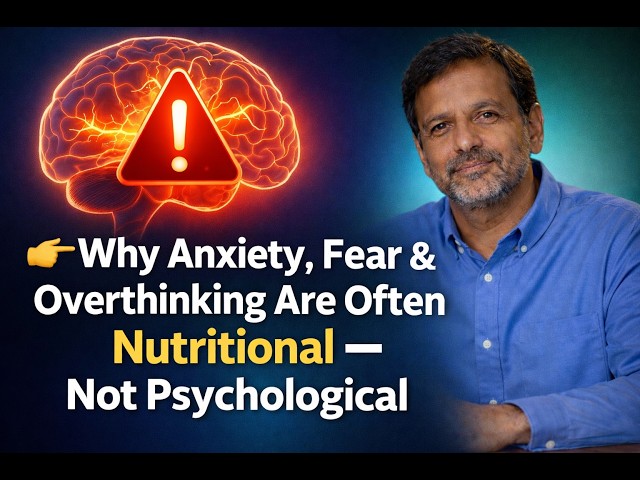
This type of anxiety is often dismissed as "hormonal" or framed as something to simply tolerate. However, unexplained anxiety during pregnancy is frequently a physiological signal rather than a psychological one.
Nutrient deficiencies, amplified by the metabolic demands of pregnancy, can quietly disrupt neurotransmitter balance, stress hormone regulation, and nervous system stability — creating anxiety that feels real, physical, and difficult to control.
Why Anxiety Can Appear Without a Clear Trigger
Anxiety is not always driven by thoughts. It can originate from the body itself.
Common characteristics of nutrient-driven anxiety include:
- Sudden onset without emotional cause
- Physical symptoms such as chest tightness or internal vibration
- Worsening at night or when fasting
- Poor response to reassurance or positive thinking
During pregnancy, the brain becomes more sensitive to internal signals — especially those related to nutrient availability.
Pregnancy, the Brain, and Neurochemical Shifts
Pregnancy dramatically alters brain chemistry.
Key changes include:
- Increased demand for neurotransmitter synthesis
- Greater reliance on GABA for calming
- Heightened cortisol sensitivity
- Increased need for methylation support
When nutrients required for these processes are insufficient, anxiety can surface even in emotionally stable individuals.
The Overlooked Nutrient–Anxiety Connection
Nutrients are not just building blocks for the baby — they are regulators of mood and nervous system balance.
Deficiencies can lead to:
- Reduced GABA production
- Excess glutamate activity
- Impaired serotonin and dopamine synthesis
- Elevated stress hormones
This creates anxiety that originates from biochemistry rather than mindset.
Magnesium Deficiency and Nervous System Hyperactivity
Magnesium's Role
Magnesium is the body's primary calming mineral.
During pregnancy, magnesium requirements increase while intake often decreases due to nausea and food aversions.
Low magnesium can cause:
- Muscle tension and jaw clenching
- Heart palpitations
- Heightened startle response
- Difficulty calming down once anxious
This type of anxiety often feels physical rather than emotional.
Vitamin B12 and Folate: Methylation and Emotional Stability
B Vitamins and Methylation
Vitamin B12 and folate are essential for methylation, a process that regulates neurotransmitter production.
Inadequate levels can result in:
- Low serotonin availability
- Dopamine imbalance
- Emotional fragility
- Increased sensitivity to stress
Pregnancy rapidly depletes these nutrients, especially in women with absorption issues or genetic methylation challenges.
Iron Deficiency and Internal Restlessness
Iron deficiency does not always present as fatigue alone.
Low iron stores can cause:
- Internal agitation
- Shortness of breath without exertion
- Restless sleep
- Anxiety that worsens at night
These symptoms often improve once iron status is corrected.
Vitamin D and Emotional Regulation
Vitamin D Function
Vitamin D acts more like a hormone than a vitamin.
Low levels are associated with:
- Increased anxiety and low mood
- Immune-driven inflammation
- Altered stress hormone signaling
Deficiency is common even in sunny regions and often goes unnoticed.
Zinc, GABA, and Stress Tolerance
Zinc supports GABA activity and stress resilience.
Low zinc can lead to:
- Reduced calming neurotransmission
- Heightened irritability
- Poor appetite and taste changes
Pregnancy increases zinc needs due to rapid cell division.
Choline and Brain Signaling During Pregnancy
Choline supports acetylcholine production, essential for nervous system regulation.
Inadequate choline may cause:
- Mental overstimulation
- Poor stress tolerance
- Difficulty relaxing mentally
Most prenatal diets fall short of choline needs.
Omega-3 Fatty Acids and Anxiety Modulation
Omega-3 fatty acids help regulate neuroinflammation.
Deficiency can result in:
- Heightened emotional reactivity
- Poor stress recovery
- Increased anxiety vulnerability
Blood Sugar Instability Masquerading as Anxiety
💡 Key Insight
Low or fluctuating blood sugar can trigger adrenaline release, causing sudden anxiety, sweating or shakiness, and heart racing. These episodes are often mistaken for panic attacks.
Thyroid-Nutrient Interactions and Anxiety
Pregnancy increases thyroid hormone demand.
Nutrient deficiencies can impair thyroid adaptation, leading to:
- Palpitations
- Heat intolerance
- Anxiety without emotional cause
Which Nutrient Levels Are Worth Checking
Testing may be helpful when anxiety is persistent:
- Ferritin for iron stores
- Vitamin B12 and folate status
- Vitamin D levels
- Thyroid markers if symptoms persist
Correcting Deficiencies Without Overstimulation
Gentle Correction Principles
Pregnancy requires a gentle approach to nutrient correction:
- Correcting deficiencies gradually
- Avoiding megadoses
- Prioritizing food-based sources
- Monitoring symptom response
When Anxiety Signals More Than a Nutrient Issue
⚠️ Seek Professional Support
Seek professional support if anxiety:
- Interferes with daily functioning
- Includes intrusive thoughts
- Persists despite nutritional correction
- Is accompanied by depressive symptoms
Frequently Asked Questions
Is anxiety during pregnancy always psychological?
No. It is often driven by physiology.
Can correcting nutrients really reduce anxiety?
Yes, especially when deficiencies are the root cause.
Should I stop supplements if anxious?
Not necessarily. Imbalance, not supplementation itself, is often the issue.
Final Thoughts
Anxiety during pregnancy without a clear emotional cause is not imaginary and not a personal failure.
It is often a signal that the nervous system lacks the nutritional support needed to adapt to pregnancy. Identifying and correcting these deficiencies transforms anxiety from something to endure into a solvable physiological imbalance.
⚠️ Important Disclaimer
This article is for educational purposes only and does not replace medical advice. Always consult a qualified healthcare provider before starting or adjusting supplements during pregnancy.









