

Introduction
Feeling exhausted all day but suddenly alert and restless at night is one of the most frustrating health patterns people experience. It often leads to poor sleep, caffeine dependence, and a constant feeling of burnout.
This pattern is not a failure of willpower or sleep hygiene. In most cases, it is the result of a disrupted cortisol rhythm.
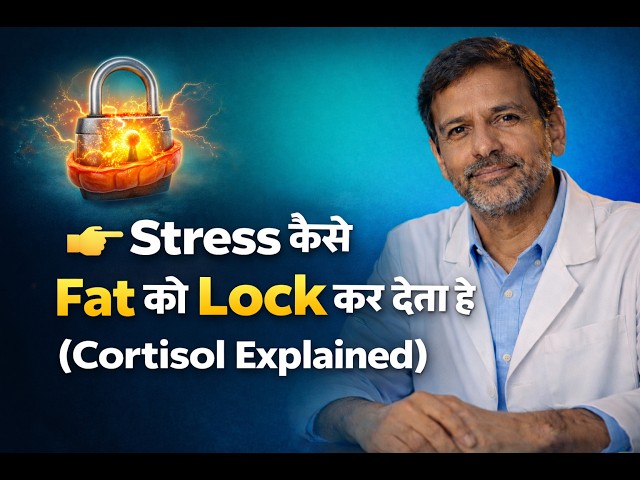
Cortisol is commonly labeled a "stress hormone," but in reality, it is a critical energy-regulating hormone. When its timing is off, energy, mood, and sleep all suffer. This article explains why this happens and how to restore balance naturally.
What Cortisol Really Does in the Body
Cortisol is produced by the adrenal glands and plays a central role in survival.
Key Functions of Cortisol
- Mobilizes energy by releasing glucose
- Supports blood pressure and circulation
- Regulates inflammation and immune response
- Helps the body respond to physical and emotional stress
Healthy cortisol is not the enemy. The problem arises when its daily rhythm becomes distorted.
The Natural Cortisol Rhythm Explained
Cortisol follows a predictable daily pattern.
This rhythm synchronizes energy with daylight and rest with darkness.
What "Tired but Wired" Really Means
"Tired but wired" describes a state where the body is exhausted, but the nervous system remains overstimulated.
This often occurs when cortisol is too low during the day and too high at night — the opposite of its natural rhythm.
💡 Key Insight
The result is poor daytime energy and nighttime alertness.
Why You're Exhausted During the Day
Low daytime cortisol reduces the body's ability to mobilize energy.
This leads to:
Daytime Fatigue Symptoms
- Morning grogginess
- Midday energy crashes
- Heavy reliance on caffeine
- Brain fog and low motivation
Why Your Brain Switches On at Night
At night, cortisol should be low. When it remains elevated, it interferes with melatonin production.
This causes racing thoughts, alertness, and difficulty falling or staying asleep.
Ironically, the quieter the environment becomes, the more noticeable the internal stimulation feels.
The Chronic Stress–Cortisol Loop
Ongoing stress trains the body to produce cortisol at inappropriate times.
Over time, the nervous system loses its ability to downshift.
💡 The Cycle
This creates a loop where poor sleep increases stress, and stress further disrupts cortisol.
Blood Sugar, Cortisol, and Energy Crashes
Cortisol is tightly linked to blood sugar regulation.
When blood sugar drops, cortisol rises to compensate.
Unstable glucose levels can therefore trigger nighttime cortisol spikes and awakenings.
Cortisol's Direct Impact on Sleep Quality
Elevated nighttime cortisol reduces deep sleep and increases light sleep.
This leads to:
Sleep Quality Impact
- Frequent awakenings
- Unrefreshing sleep
- Early morning waking
Signs Your Cortisol Rhythm Is Off
Warning Signs
- Difficulty waking in the morning
- Energy crashes after meals
- Feeling "wired" late at night
- Anxiety or restlessness without clear cause
- Dependence on caffeine or sugar
Hidden Causes of Cortisol Imbalance
Common Triggers
- Chronic psychological stress
- Late-night screen exposure
- Irregular sleep schedules
- Skipping meals or extreme dieting
- Overtraining without recovery
Nutrition That Calms Cortisol Naturally
Food strongly influences cortisol production.
Nutritional Support
- Balanced meals stabilize blood sugar
- Magnesium-rich foods calm the nervous system
- Adequate protein supports adrenal function
- Complex carbohydrates reduce stress hormone spikes
Lifestyle Habits That Reset Cortisol Timing
Daily Practices
- Morning sunlight exposure
- Consistent sleep and wake times
- Gentle movement earlier in the day
- Reduced stimulation in the evening
- Relaxation practices before bed
When Supplements May Help
In some cases, nutritional support can assist cortisol regulation.
💡 Important Note
Supplements should complement, not replace, lifestyle changes. Professional guidance is recommended for long-term use.
30-Day Cortisol Reset Plan
Frequently Asked Questions
Is high cortisol always bad?
No. Cortisol is essential — the problem is incorrect timing.
Can cortisol imbalance cause insomnia?
Yes. Elevated nighttime cortisol is a common cause of difficulty sleeping.
How long does it take to fix cortisol rhythm?
Many people notice improvements within weeks, but full recovery may take longer.
Final Thoughts & Disclaimer
Being tired all day and wired at night is not a mystery — it is a hormonal timing issue.
By addressing stress, nutrition, and daily rhythms, cortisol balance can be restored, allowing energy during the day and deep rest at night.
⚠️ Disclaimer
This article is for educational purposes only and does not replace medical advice. Consult a qualified healthcare professional for personalized guidance.









