

Introduction
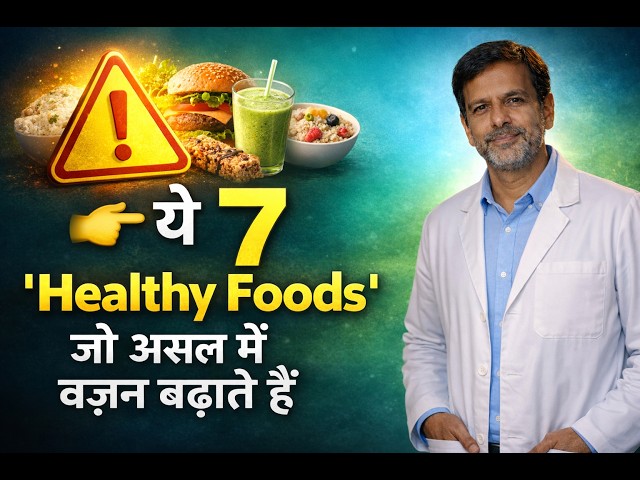
For decades, we have been told that certain foods are universally "healthy" — leafy greens, nuts, seeds, fermented foods, fruits, and whole grains. Yet millions of people experience bloating, headaches, skin rashes, fatigue, anxiety, acid reflux, joint pain, or brain fog after eating these very foods.
This contradiction creates confusion, fear around eating, and often unnecessary long-term food avoidance. The problem is not that healthy foods are bad — it is that the body may not be ready to handle them.
This article explains why nutritious foods can trigger symptoms, what is happening beneath the surface, and how to restore tolerance safely and systematically.
The Healthy Food Paradox
Food quality does not exist in isolation. A food that nourishes one person may overwhelm another depending on digestive strength, gut integrity, nervous system tone, and metabolic capacity.
Why Healthy Foods May Overwhelm You
- Raw vegetables require strong enzymes and stomach acid
- Fermented foods increase histamine load
- Nuts and seeds are mineral-dense but enzyme-heavy
- Fruits can spike blood sugar or ferment in weak digestion
Symptoms are signals, not enemies. They indicate imbalance — not food toxicity.
Common Symptoms Triggered by "Healthy" Foods
- Bloating and abdominal discomfort
- Skin itching, hives, or eczema
- Headaches or migraines after meals
- Post-meal fatigue or anxiety
- Acid reflux or nausea
- Joint stiffness or muscle pain
- Brain fog and poor concentration
Weak Digestive Fire & Enzyme Deficiency
Low stomach acid and insufficient digestive enzymes are among the most common hidden causes of food reactions.
Without proper breakdown:
- Proteins irritate the immune system
- Fats stagnate and cause nausea
- Fibers ferment excessively
This leads to gas, pressure, and systemic inflammation even from clean foods.
Leaky Gut & Intestinal Sensitivity
Damage to the intestinal lining allows partially digested food particles to enter circulation.
Consequences of Gut Barrier Damage
- Triggers immune activation
- Creates food-specific sensitivities
- Increases systemic inflammation
Until the gut barrier heals, even ideal foods may provoke symptoms.
Histamine Intolerance from Nutritious Foods
Histamine is a natural immune compound. Problems arise when degradation pathways are overloaded.
High-Histamine "Healthy" Foods
- Fermented vegetables
- Spinach, tomatoes, avocado
- Citrus fruits
- Leftover foods
Symptoms include flushing, headaches, rapid heart rate, anxiety, and itching.
Oxalates, Salicylates & Plant Defense Chemicals
Plants naturally produce compounds for self-defense.
Plant Defense Compounds
- Oxalates (spinach, almonds, beetroot)
- Salicylates (berries, spices)
- Lectins (legumes, grains)
In compromised digestion, these compounds can irritate nerves, joints, or kidneys.
Fermented Foods & Gut Overstimulation
Fermented foods are powerful tools — but not always gentle.
- Increase microbial activity rapidly
- Raise histamine levels
- Stimulate sensitive nervous systems
They should be introduced only after digestive stability improves.
Supplements That Reduce Food Reactions
Key Healing Supplements
- Digestive enzymes with meals
- L-Glutamine for gut lining repair
- Zinc carnosine for intestinal healing
- Magnesium for nervous regulation
- Vitamin B-complex for enzyme support
- Quercetin for histamine balance
Yoga Practices to Improve Food Tolerance
💡 Gentle Movement for Digestion
- Pawanmuktasana for gas release
- Vajrasana after meals
- Malasana for colon health
- Seated twists for enzyme secretion
Pranayama for Digestive & Nervous Balance
💡 Breath Practices for Healing
- Nadi Shodhana to calm reactions
- Bhramari to reduce histamine response
- Deep diaphragmatic breathing before meals
Temporary Diet Restrictions That Heal
Therapeutic Rest From Trigger Foods
- Avoid raw vegetables temporarily
- Limit fermented foods
- Reduce nuts and seeds
- Remove leftovers and reheated meals
Restriction is not punishment — it is therapeutic rest.
7-Day Gentle Healing Diet Plan
Focus: Warm, cooked, simple foods
Daily Meal Structure
- Breakfast: Stewed fruit or rice porridge
- Lunch: Well-cooked vegetables, rice, lentils
- Dinner: Light soups or khichdi
- Spices: Cumin, coriander, fennel
Frequently Asked Questions
Why do healthy foods suddenly cause symptoms?
Because digestion, gut lining, or nervous regulation may be impaired — not because the food is unhealthy.
Should I avoid these foods forever?
No. Most people regain tolerance once root causes are corrected.
Are food sensitivity tests reliable?
They show immune reactivity, not permanent intolerance.
Can stress make food reactions worse?
Yes. Stress suppresses digestion and increases immune sensitivity.
Final Thoughts & Disclaimer
Healthy foods triggering symptoms is not failure — it is feedback. Your body is asking for healing, not avoidance. By restoring digestion, calming the nervous system, and rebuilding gut integrity, food becomes nourishment again.
⚠️ Medical Disclaimer
This content is for educational purposes only and does not replace medical advice. Consult a qualified healthcare professional before making dietary or supplement changes, especially if you have chronic illness or are on medication.









