Introduction
Colds and flu are often seen as unavoidable seasonal events, yet their frequency, severity, and recovery time vary dramatically from person to person. While exposure to viruses is inevitable, immune preparedness determines whether exposure turns into illness. One of the most critical—and commonly overlooked—factors in immune preparedness is vitamin D status.
Vitamin D deficiency is widespread across all age groups, including people who live in sunny regions. Indoor lifestyles, sunscreen use, air pollution, darker skin tones, obesity, aging, and digestive issues all reduce vitamin D availability. As a result, many individuals enter cold and flu season with compromised immune defenses.
This in-depth, solution-oriented guide explains how vitamin D strengthens defenses against cold and flu, why deficiency increases infection risk, and how to optimize levels through supplements, diet, yoga, pranayama, and a practical daily plan.
Vitamin D: More Than a Vitamin
Vitamin D functions more like a hormone than a traditional vitamin. Once activated, it influences gene expression in nearly every tissue, including immune cells.
Key Functions
- Regulates over 1,000 genes involved in immunity
- Supports immune cell maturation and signaling
- Balances inflammatory and anti-inflammatory responses
- Plays a role in lung and airway health
This broad influence explains why vitamin D sufficiency is strongly associated with fewer respiratory infections.
How Vitamin D Activates Immune Defenses
Immune cells such as macrophages, dendritic cells, and T-cells all express vitamin D receptors. When vitamin D binds to these receptors, it enhances immune readiness.
Activation Mechanisms
- Stimulates antimicrobial peptides that neutralize viruses
- Enhances pathogen recognition
- Improves immune cell communication
- Prevents excessive inflammatory damage
This dual action—strong defense without overreaction—is critical for fighting cold and flu viruses effectively.
Why Low Vitamin D Increases Cold & Flu Risk
Low vitamin D weakens early immune responses, allowing viruses to replicate before the body mounts a defense.
- Delayed activation of innate immunity
- Reduced antiviral peptide production
- Higher viral load and prolonged illness
People with low vitamin D often experience more frequent infections and longer recovery times.
Vitamin D and the Respiratory Barrier
The respiratory tract is the primary entry point for cold and flu viruses. Vitamin D helps maintain the integrity of this barrier.
- Strengthens epithelial cell junctions
- Reduces viral penetration
- Supports mucus-based immune defense
A strong respiratory barrier can stop infections before symptoms begin.
Innate and Adaptive Immunity Support
Vitamin D supports both arms of the immune system.
- Innate immunity: Faster viral recognition and destruction
- Adaptive immunity: Balanced antibody production
- Reduced risk of immune exhaustion
This comprehensive support explains vitamin D's role in both prevention and recovery.
Seasonal Deficiency and Winter Infections
Vitamin D levels naturally decline during winter due to reduced sun exposure.
- Lower UVB radiation
- More time spent indoors
- Increased respiratory infection rates
Correcting deficiency before winter begins is a powerful preventive strategy.
Stress, Sleep, and Vitamin D Utilization
Stress and poor sleep impair vitamin D activation and immune response.
- High cortisol weakens immune signaling
- Poor sleep reduces immune cell efficiency
- Vitamin D needs increase during stress
Supporting sleep and stress management improves vitamin D effectiveness.
Signs You May Be Vitamin D Deficient
- Frequent colds or flu
- Slow recovery from infections
- Bone or muscle aches
- Low mood or fatigue
- Hair thinning or poor immunity
Deficiency can exist even without obvious symptoms.
Supplement Forms, Synergies, and Safety
Supplementation is often necessary to achieve optimal levels.
Recommended Supplements
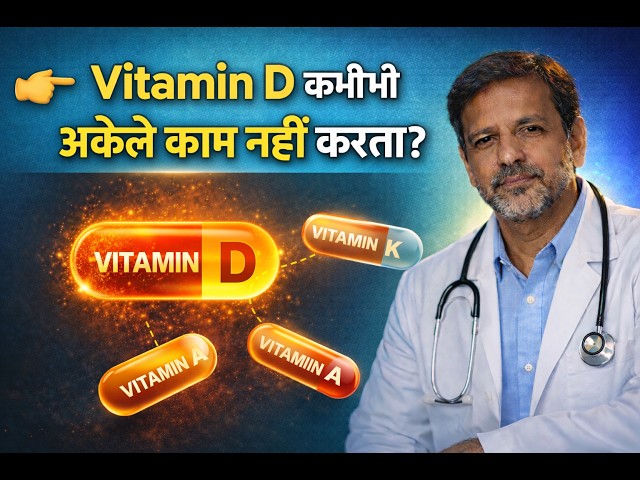
- Vitamin D3 is the preferred form
- Vitamin K2 supports calcium balance
- Magnesium improves vitamin D activation
- Omega-3s support immune balance
Dosage, Timing, and Practical Guidelines
💡 Key Dosage Tips
- Common range: 1,000–4,000 IU daily
- Higher needs during deficiency or winter
- Take with a fat-containing meal
- Avoid excessive unsupervised megadoses
Dietary Sources and Absorption Tips
Food Sources
- Fatty fish
- Egg yolks
- Fortified foods
- Healthy fats to enhance absorption
Diet alone is often insufficient but remains supportive.
Yoga Practices to Support Immune Strength
- Bhujangasana for lung expansion
- Setu Bandhasana for circulation
- Balasana to reduce immune-suppressive stress
Pranayama for Respiratory Defense
- Anulom Vilom for immune balance
- Bhramari to calm inflammation
- Slow nasal breathing to support airway health
Diet Restrictions and a Cold & Flu Defense Meal Plan
💡 Foods to Avoid
Excess sugar, ultra-processed foods, sleep deprivation.
Sample Day:
- Breakfast: Eggs with vegetables
- Lunch: Fish, grains, and greens
- Dinner: Light soup with healthy fats
Frequently Asked Questions
Can vitamin D prevent colds and flu completely?
No, but it significantly reduces risk and severity.
Is sun exposure enough?
Often not, especially in winter or urban lifestyles.
Can vitamin D be taken during active infection?
Yes, it may support faster recovery.
Is vitamin D safe long-term?
Yes, when taken within recommended ranges.
Final Thoughts
Vitamin D is one of the most powerful yet underutilized tools for strengthening defenses against cold and flu. By supporting early immune activation, respiratory barrier integrity, and balanced inflammation, adequate vitamin D transforms how the body responds to viral exposure.
⚠️ Disclaimer
This content is for educational purposes only and does not replace medical advice. Consult a qualified healthcare professional before starting supplementation, especially if you have underlying health conditions.