

Introduction
The immune system is not something that should only be supported during illness. True immune strength comes from being prepared—alert, balanced, and responsive—every single day of the year. This state of readiness is often referred to as immune priming.
Vitamin D is one of the most powerful yet commonly overlooked nutrients for year-round immune preparedness. Acting more like a hormone than a vitamin, it influences immune cells at the genetic level, helping them respond quickly to threats while avoiding excessive inflammation.
This comprehensive guide explains how vitamin D primes the immune system year-round, who benefits most, how to use it safely, and how to combine it with diet, yoga, pranayama, and lifestyle practices for continuous immune resilience.
What Does It Mean to "Prime" the Immune System?
Immune priming refers to maintaining the immune system in an optimal state of readiness—not overactive, not suppressed, but responsive and efficient.
A primed immune system can recognize pathogens quickly, mount an effective response, and resolve inflammation efficiently once the threat is neutralized. Vitamin D plays a key role in achieving this balance.
Understanding Vitamin D Beyond Bone Health
While vitamin D is traditionally associated with calcium absorption and bone strength, its influence extends far beyond the skeletal system.
Vitamin D receptors are found on most immune cells, including macrophages, T-cells, and dendritic cells. This widespread presence highlights its central role in immune regulation.
Vitamin D as an Immune Regulator
Vitamin D does not simply "boost" immunity—it regulates it.
Key Regulatory Functions
- Enhances immune surveillance
- Improves immune cell communication
- Prevents immune overreaction
- Supports immune tolerance
- Reduces chronic inflammation
Vitamin D and Innate Immune Defense
The innate immune system is the body's first line of defense. Vitamin D enhances this system by activating antimicrobial peptides that directly neutralize pathogens.
This rapid response helps stop infections before they become severe.
Vitamin D and Adaptive Immunity
Adaptive immunity provides long-term protection and immune memory. Vitamin D supports balanced T-cell responses, helping the immune system adapt without becoming overly aggressive.
This is crucial for long-term immune health and reduced risk of immune dysregulation.
Inflammation Control and Immune Balance
Chronic inflammation weakens immunity and contributes to fatigue, metabolic disorders, and immune exhaustion.
Vitamin D helps regulate inflammatory signaling, ensuring that immune responses are strong when needed and quiet when the threat has passed.
Vitamin D and Resistance to Infections
Adequate vitamin D levels are associated with improved resistance to respiratory and seasonal infections.
Rather than preventing exposure, vitamin D strengthens the body's ability to respond effectively and recover faster.
Seasonal Illness and Year-Round Vitamin D Needs
Vitamin D levels often decline during colder months due to reduced sun exposure. However, immune challenges exist year-round.
Maintaining consistent vitamin D levels ensures the immune system remains primed regardless of season.
Why Vitamin D Deficiency Is Widespread
Vitamin D deficiency is common due to:
- Indoor lifestyles
- Limited sun exposure
- Darker skin pigmentation
- Poor dietary intake
- Increased metabolic demand
Signs Your Immune System May Need More Vitamin D
- Frequent infections
- Slow recovery from illness
- Chronic fatigue
- Muscle weakness
- Low mood
- Increased inflammation
Best Forms of Vitamin D
Vitamin D is available primarily as vitamin D2 and vitamin D3.
💡 Key Insight
Vitamin D3 is generally preferred due to better absorption and effectiveness in maintaining blood levels.
Dosage, Timing, and Safety Guidelines
Typical immune-supportive intake ranges from 1,000–2,000 IU per day, though individual needs vary.
Safe Usage Guidelines
- Take with meals containing healthy fats
- Maintain consistency year-round
- Avoid excessive dosing without guidance
- Consider periodic level monitoring
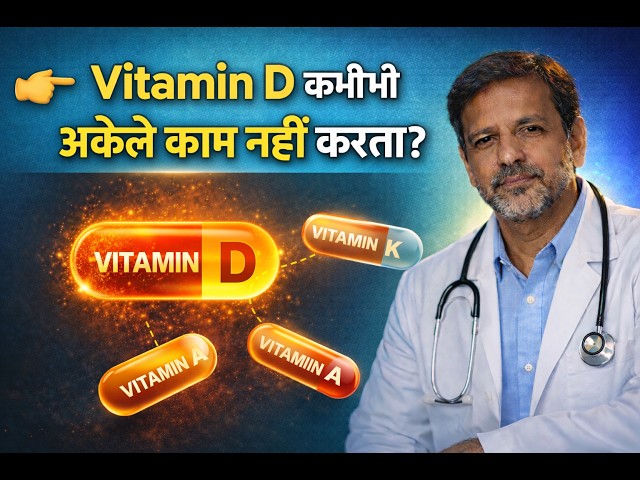
Nutrients That Work Synergistically with Vitamin D
Supporting Nutrients
- Magnesium for vitamin D activation
- Vitamin K2 for calcium regulation
- Zinc for immune defense
- Omega-3 fatty acids for inflammation balance
- Vitamin C for antioxidant support
Diet Plan to Support Vitamin D and Immunity
Vitamin D–supportive foods include:
Vitamin D-Rich Foods
- Fatty fish
- Egg yolks
- Fortified dairy or plant milks
- Mushrooms exposed to sunlight
Dietary and Lifestyle Restrictions
Avoid the following to maintain immune readiness:
- Chronic sleep deprivation
- Highly processed foods
- Excess alcohol intake
- Prolonged stress
- Complete avoidance of sunlight
Yoga Asanas to Support Immune Readiness
- Bhujangasana
- Setu Bandhasana
- Viparita Karani
- Tadasana
Pranayama for Immune Balance and Vitality
- Nadi Shodhana for immune regulation
- Bhramari for stress reduction
- Deep diaphragmatic breathing
30-Day Year-Round Immune Priming Protocol
Frequently Asked Questions
Does vitamin D boost immunity?
It regulates and primes immune responses rather than overstimulating them.
Is vitamin D needed year-round?
Yes, immune challenges exist in all seasons.
Can vitamin D reduce inflammation?
Yes, it supports balanced inflammatory responses.
Should vitamin D be taken daily?
Daily consistency supports stable immune readiness.
Final Thoughts
Vitamin D is one of the most important nutrients for priming the immune system year-round. By regulating immune responses, supporting infection defense, and controlling inflammation, it ensures the immune system is prepared without being overstimulated.
When combined with nourishing food, healthy lifestyle habits, yoga, pranayama, and stress management, vitamin D becomes a cornerstone of long-term immune resilience, energy, and overall well-being.
⚠️ Important Disclaimer
This article is for educational purposes only and does not constitute medical advice. Always consult a qualified healthcare professional before starting any supplement, especially if you have a medical condition or are taking medication.









