
Allergies are often misunderstood as harmless reactions to pollen, dust, foods, or environmental triggers. In reality, allergies represent an immune system that is overreacting to non-threatening substances.
Instead of responding appropriately, the immune system releases inflammatory chemicals such as histamine, leading to symptoms like sneezing, itching, rashes, wheezing, and digestive distress.
Vitamin D plays a critical but frequently overlooked role in regulating immune responses. This article explains how vitamin D helps calm allergic inflammation and restore immune balance naturally.
Why Allergies Are Increasing Worldwide
Allergic conditions have increased dramatically over the last few decades.
- Reduced sunlight exposure and indoor lifestyles
- Over-sanitized environments reducing immune training
- Processed diets lacking immune-supportive nutrients
- Increased environmental pollution
Vitamin D deficiency is now recognized as a major contributing factor.
Allergies as an Immune Regulation Problem
Allergies are not caused by a "strong" immune system, but by a poorly regulated one.
- Excessive Th2 immune dominance
- Overproduction of IgE antibodies
- Exaggerated mast cell activation
- Chronic low-grade inflammation
The goal is immune balance, not immune suppression.
Vitamin D as an Immune Modulator
Vitamin D functions more like a hormone than a vitamin and directly influences immune cells.
How Vitamin D Regulates Immunity
- Regulates T-cell differentiation
- Supports regulatory T-cells (Tregs)
- Reduces excessive inflammatory signaling
- Improves immune tolerance
This makes vitamin D uniquely suited for allergy management.
Vitamin D Deficiency and Allergy Risk
Low vitamin D levels are commonly observed in individuals with allergies.
Consequences of Deficiency
- Higher rates of allergic rhinitis
- Increased asthma severity
- Greater food sensitivity reactions
- Poor response to allergy treatments
Deficiency shifts the immune system toward hyper-reactivity.
How Vitamin D Calms Allergic Responses
Vitamin D influences multiple allergy-related pathways.
💡 Key Mechanisms of Action
- Reduces IgE antibody production
- Stabilizes mast cells
- Lowers histamine release
- Suppresses excessive cytokine signaling
This results in fewer and milder allergic symptoms.
Vitamin D and Different Types of Allergies
Allergy-Specific Benefits
- Respiratory allergies: Reduces nasal and airway inflammation
- Skin allergies: Supports barrier integrity and immune calm
- Food allergies: Improves immune tolerance
- Asthma: Enhances lung immune regulation
Gut-Immune Axis and Vitamin D
The gut is central to immune regulation.
Gut Health Support
- Vitamin D strengthens gut barrier function
- Reduces intestinal permeability
- Supports beneficial gut bacteria
- Prevents food antigen overexposure
Vitamin D Supplementation Strategy
💡 Optimal Supplementation Approach
- Vitamin D3 preferred over D2
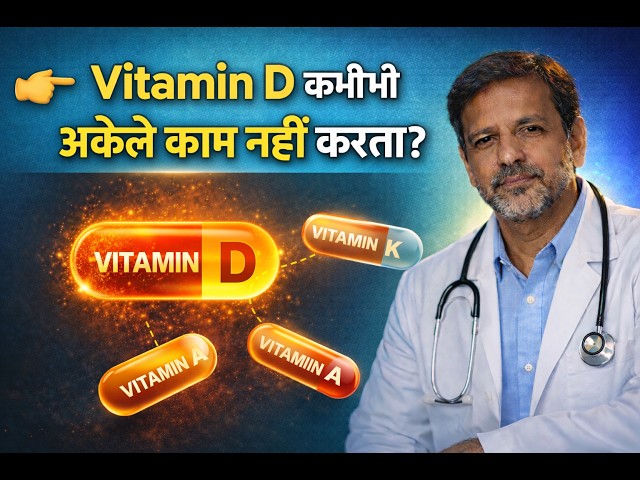
- Combined with vitamin K2 for safety
- Magnesium for proper activation
- Fat-containing meals for absorption
Dosage, Timing & Safety Guidelines
- Maintenance doses for deficiency correction
- Higher short-term dosing under supervision
- Regular blood testing for optimization
- Avoid excessive long-term megadoses
Yoga Practices to Reduce Allergic Inflammation
Pranayama for Allergy & Immune Balance
- Anulom Vilom to regulate immune response
- Bhramari to reduce histamine-driven irritation
- Slow nasal breathing to support airway health
Dietary Habits That Worsen Allergies
⚠️ Foods and Habits to Avoid
- Excess sugar and processed foods
- Artificial additives and preservatives
- Frequent alcohol intake
- Highly inflammatory seed oils
7-Day Allergy-Supportive Diet Plan
Focus: Anti-inflammatory, immune-calming foods
- Breakfast: Protein-rich, low-sugar meals
- Lunch: Cooked vegetables, whole grains
- Dinner: Light, easy-to-digest foods
- Fats: Natural sources to aid vitamin D absorption
Frequently Asked Questions
Can vitamin D cure allergies?
Vitamin D helps regulate immune response and reduce severity but does not replace medical care.
How long does it take to see improvement?
Most people notice symptom reduction within 4–8 weeks of correcting deficiency.
Is sunlight enough for vitamin D?
Sunlight helps, but many individuals still require supplementation.
Can children with allergies take vitamin D?
Yes, age-appropriate dosing under guidance is commonly beneficial.
Final Thoughts & Disclaimer
Vitamin D is a cornerstone nutrient for immune regulation. In allergic conditions, its role is not to suppress immunity but to teach it tolerance. When combined with proper nutrition, breathing practices, and lifestyle balance, vitamin D can significantly reduce allergic burden and improve quality of life.
⚠️ Medical Disclaimer
This content is for educational purposes only and does not substitute professional medical advice. Consult a qualified healthcare provider before starting vitamin D supplementation, especially if you have medical conditions or are taking medication.