
Introduction
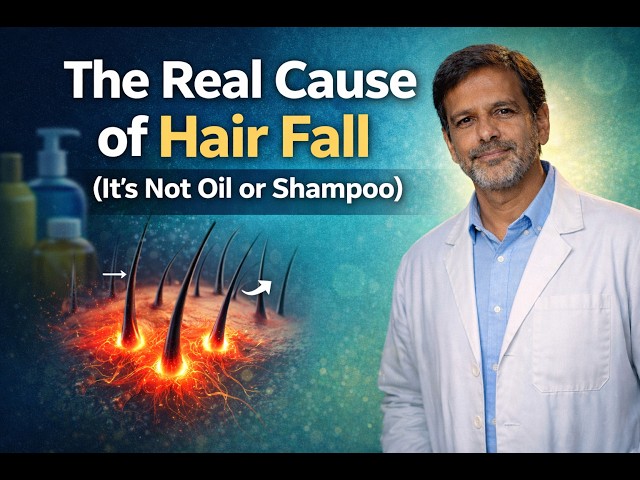
If you're losing more hair than usual, your first instinct may be to switch shampoos or blame a new hair product. While harsh products can contribute to breakage, true hair fall almost always starts deeper—inside the body.
Hair follicles are highly sensitive to nutrition, hormones, stress, and overall metabolic health. When internal balance is disturbed, hair shedding increases regardless of the shampoo you use.
What Is Normal Hair Shedding?
Losing 50–100 hairs per day is considered normal. This natural shedding is part of the hair growth cycle and often goes unnoticed.
Concern arises when hair fall becomes sudden, excessive, or persistent over several weeks.
Why Shampoo Is Often Blamed
Hair fall is most noticeable during washing, leading many people to blame shampoo. In reality, shampoo simply releases hairs that were already in the shedding phase.
Unless a product causes scalp irritation or breakage, it is rarely the root cause of increased hair loss.
Understanding the Hair Growth Cycle
💡 The Hair Growth Cycle
Hair grows in cycles: growth (anagen), transition (catagen), and rest/shedding (telogen). When stressors push many follicles into the shedding phase at once, noticeable hair fall occurs.
Internal Causes of Increased Hair Fall
Common Internal Triggers
- Nutrient deficiencies
- Hormonal fluctuations
- Chronic stress
- Illness or inflammation
- Rapid weight loss or dieting
Nutrient Deficiencies Linked to Hair Fall
Essential Nutrients for Hair Health
- Iron
- Protein
- Zinc
- Biotin
- Vitamin B12
- Vitamin D
Hormonal Imbalances and Hair Shedding
Thyroid disorders, postpartum hormone shifts, menopause, and androgen sensitivity can all disrupt hair growth cycles and increase shedding.
Stress and Sudden Hair Loss
Physical or emotional stress can trigger telogen effluvium, a condition where large numbers of hairs enter the shedding phase simultaneously.
💡 Timing Matters
Hair fall from stress often appears 2–3 months after the triggering event.
Scalp Care vs Hair Root Health
Healthy scalp care supports hair, but strong hair growth depends on blood flow, nutrients, and hormonal balance reaching the follicles beneath the scalp.
Health Conditions That Increase Hair Fall
Medical Conditions Associated with Hair Loss
- Iron deficiency anemia
- Thyroid disorders
- Chronic inflammation
- Autoimmune conditions
- Metabolic or digestive disorders
Warning Signs You Shouldn't Ignore
⚠️ Seek Medical Attention If You Experience
- Sudden clumps of hair falling out
- Widening hair part or thinning ponytail
- Hair fall with fatigue, weight changes, or mood shifts
- Eyebrow or body hair thinning
How to Reduce Hair Fall Naturally
Be gentle with hair styling and treatments.
Timeline: When Hair Fall Improves
Recovery Timeline
- 4–6 weeks: Reduced daily shedding
- 2–3 months: New fine regrowth appears
- 4–6 months: Improved density and strength
- 6–12 months: Full recovery of growth cycle
Frequently Asked Questions (FAQ)
Can shampoo really cause hair fall?
Shampoo may cause breakage if harsh, but true hair fall usually comes from internal factors.
Why does hair fall suddenly increase?
Sudden increases are often due to stress, illness, hormonal shifts, or nutrient depletion.
Does changing shampoo help?
It may help scalp comfort, but it won't fix internal causes of hair loss.
Is hair fall reversible?
In many cases, yes—especially when addressed early.
When should I see a doctor?
If hair fall is severe, persistent, or accompanied by other symptoms, medical evaluation is recommended.
Final Thoughts
If your hair is falling more than usual, it's rarely just a shampoo issue. Hair shedding is often a reflection of internal stress, nutritional gaps, or hormonal imbalance.
Looking beyond surface solutions and addressing root causes offers the best path to healthier, stronger hair.
⚠️ Important Disclaimer
This content is for educational purposes only and does not replace professional medical advice. Always consult a qualified healthcare provider for persistent or unexplained hair loss.









