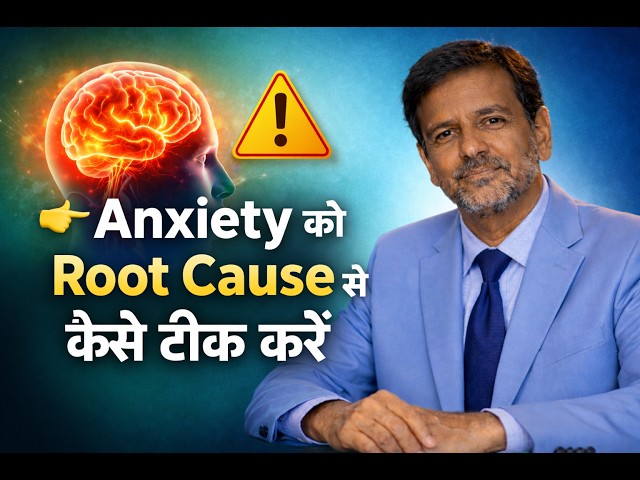
At InnateHeal, anxiety is approached through root-cause–based solutions that combine nutrition, lifestyle correction, and holistic support to restore calm naturally.
Understanding Anxiety Beyond Stress
Many people experience anxiety patterns that don't match situational stress:
- Anxiety without any clear trigger
- Persistent inner restlessness
- Racing thoughts even during calm phases of life
- Anxiety that worsens at night or on waking
These patterns often point toward biochemical or neurological imbalance rather than emotional weakness.
Nutritional Solutions for Anxiety
Correcting hidden nutrient deficiencies can significantly reduce anxiety symptoms.
Key Nutrient Deficiencies Linked to Anxiety
- Magnesium Deficiency: inner restlessness, panic sensations, muscle tension, sleep anxiety
- Vitamin B12 Deficiency: anxiety with tingling, numbness, fearfulness, fatigue, brain fog
- Vitamin B6 Deficiency: low serotonin and GABA, PMS-related anxiety, mood swings
- Iron Deficiency: anxiety with palpitations, breathlessness, dizziness
- Zinc Deficiency: increased stress sensitivity and poor emotional resilience
Many chronic anxiety cases improve only after nutritional imbalances are corrected.
Nervous System Calming Nutrients
These nutrients help calm an overactive nervous system naturally:
Essential Calming Nutrients
- Magnesium – relaxes nerves and muscles
- Glycine – reduces mental overactivity
- L-Theanine – promotes calm focus
- Taurine – stabilizes excitatory nerve signals
- Inositol – helpful in panic and obsessive anxiety
💡 Important Note
Dosages should always be individualized.
Gut–Brain Axis Support
The gut plays a critical role in neurotransmitter production and nervous system regulation.
Gut issues commonly linked to anxiety include:
- Acidity and bloating
- Constipation
- Poor digestion and absorption
- Frequent antibiotic use
Supporting gut health through probiotics, reducing sugar, healing inflammation, and improving digestion is essential for emotional balance.
Blood Sugar & Hormonal Balance
Anxiety often worsens with:
- Skipping meals
- Excess caffeine intake
- High sugar consumption
- PMS or perimenopause
- Thyroid imbalance
Helpful strategies include protein-rich breakfasts, regular meals, reduced caffeine, adrenal support, and balanced carbohydrates.
Lifestyle Solutions That Actually Work
Proven Lifestyle Strategies
- Morning sunlight exposure
- Consistent sleep timing
- Deep breathing techniques (4-7-8 or box breathing)
- Gentle walking or yoga
- Reduced screen exposure at night
Consistency matters more than intensity.
Mind–Body Techniques for Long-Term Relief
Recommended Techniques
- Mindfulness practices
- Journaling and emotional release
- Somatic grounding techniques
- Meditation and breath awareness
These techniques help retrain the nervous system over time.
What Worsens Anxiety
⚠️ Common Anxiety Triggers
- Excess caffeine
- High sugar and refined carbohydrates
- Poor sleep
- Overuse of social media
- Random supplementation without guidance
When to Seek Professional Help
Please seek professional support if:
⚠️ Seek Immediate Professional Support
- Panic attacks are severe or frequent
- Anxiety affects daily functioning
- Depressive or suicidal thoughts are present
- Symptoms are long-standing or worsening
Final Thoughts
Anxiety is not a weakness. It is often the body's signal that something needs support.
By identifying and correcting the root cause, lasting calm, clarity, and emotional balance are achievable.